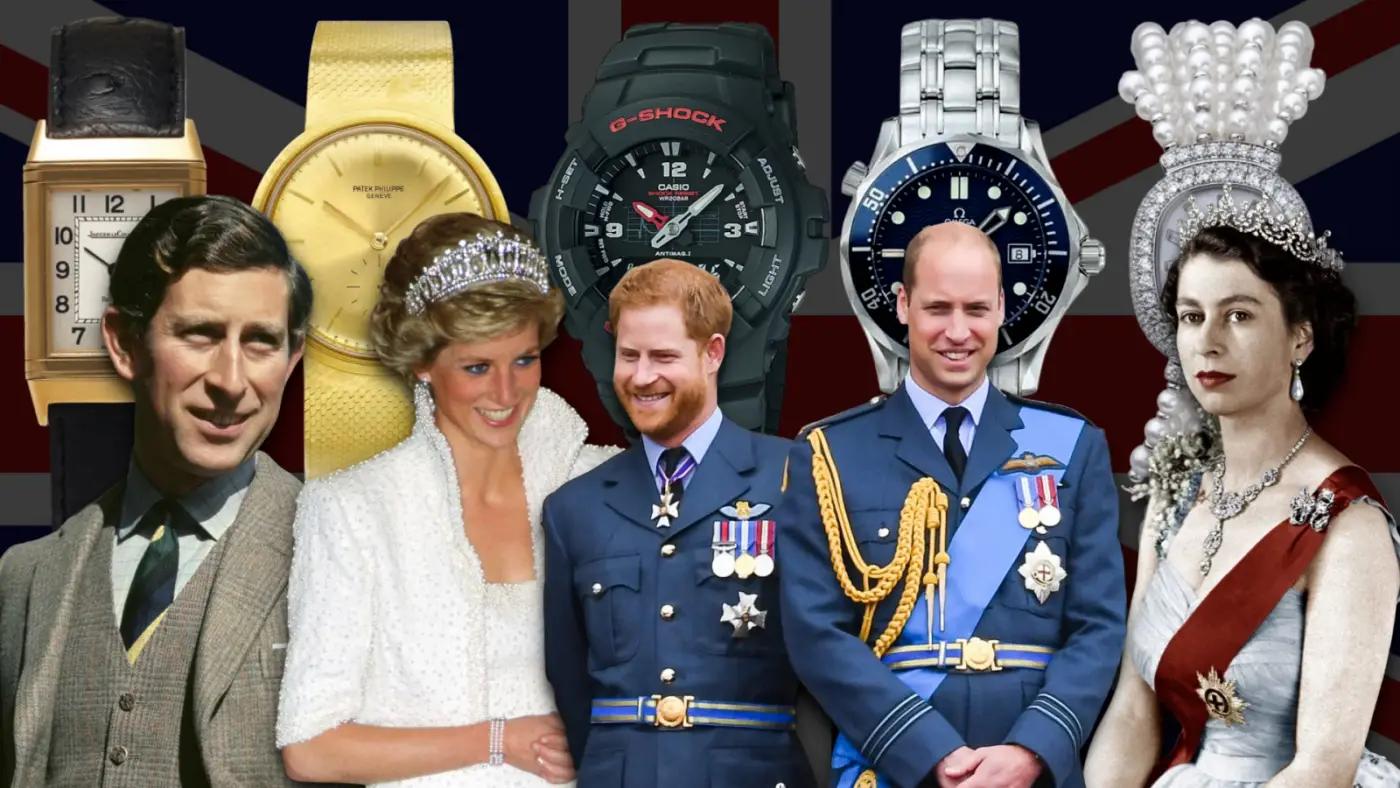
The Watches of the British Royal Family - Intro
The royal family doesn't sell watches at retail, so every price here is a secondhand or gray market estimate, not an official figure. Royals also don't buy new: what they wear tends to be inherited, gifted, or issued, which means this list runs from a $90 government-issue G-Shock worn in Helmand Province to a diamond Patek Philippe with no real ceiling at auction. Seventeen watches, six royals, ranked by what they'd actually cost you to own. If a price looks off to you, send us a message and we'll take a look.
Prince Harry - Casio G-Shock G100-1BV
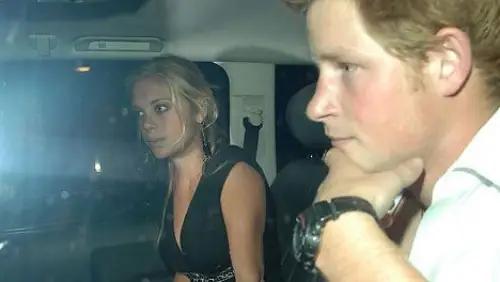
Harry deployed to Helmand Province twice: first as a forward air controller calling in strikes, later as an Apache co-pilot gunner flying 25 sorties. The G100-1BV on his wrist through those years is anti-magnetic, built to withstand the electromagnetic field an Apache cockpit generates, and it says so on the dial. Not a contrast piece, not irony. A working instrument for working conditions. He swapped it out on his second deployment for something considerably more expensive.
We may earn a commission on purchases.
Prince Harry - Pulsar G10
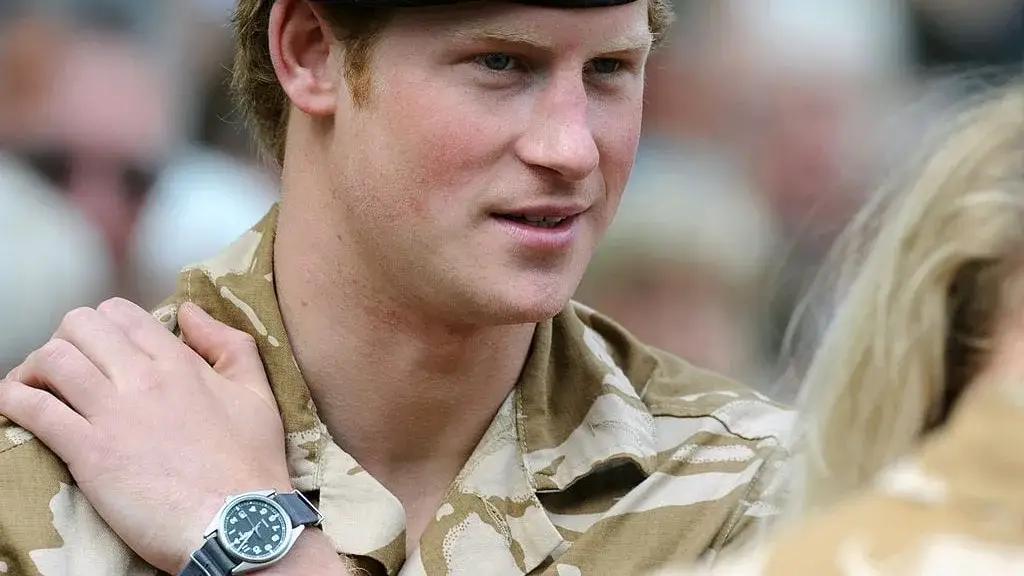
This one wasn't a choice. The G10 is the standard watch the British Army issues, defined by a Ministry of Defence spec rather than any brand's design language: black dial, white Arabic numerals, date window, nylon strap. Pulsar has supplied the contract alongside Hamilton, CWC, and Newmark since the 1990s. It was never sold at retail, only issued, and it only reaches collectors once decommissioned. Harry wore his during his Army service, on the same wrist that would later carry a Rolex worth thirty times as much.
We may earn a commission on purchases.
Prince William - Omega Seamaster 2561.80.00
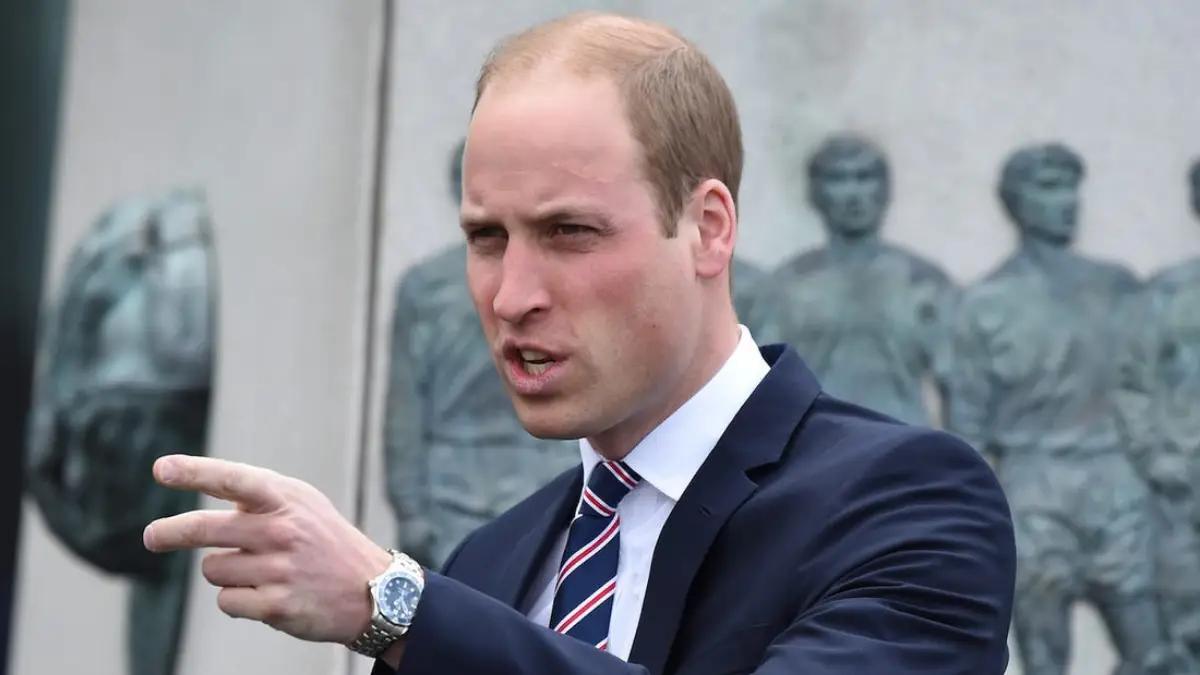
Princess Diana gave William this watch when he was fifteen, months before she died in 1997. He's worn it consistently for nearly thirty years: state occasions, military deployments, the coronation. It's the mid-size Seamaster Quartz 300M, produced during the same run that put a blue-dialed Seamaster on Pierce Brosnan's wrist in GoldenEye. William has access to any watch that exists. What's on his wrist was a gift at fifteen, and the market value hasn't changed the reason he wears it.
We may earn a commission on purchases.
Prince Harry - Breitling Aerospace Avantage
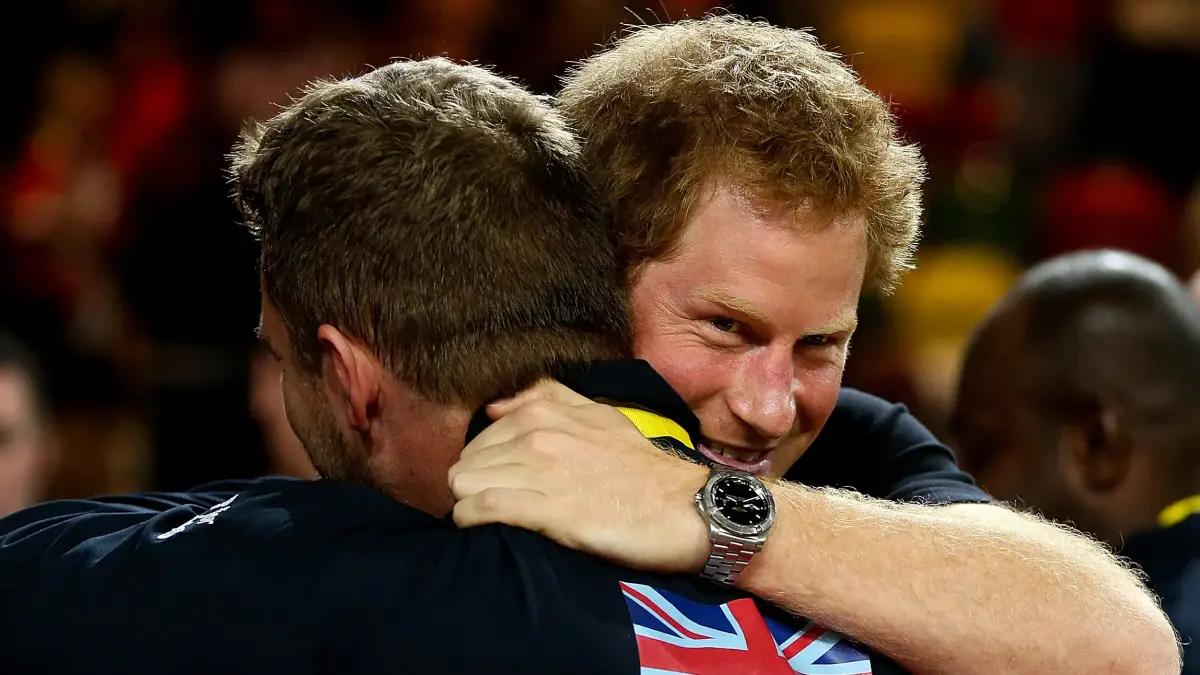
Before the Rolex, before the Casio in a combat zone, there was this: a titanium pilot's watch Harry wore through the years he trained as an Apache co-pilot gunner. The Avantage pairs an analog display with a digital module, giving him a stopwatch and backlit readout on top of the regular hands, built for instrument work rather than a state banquet. Unlike watches that came to him through inheritance or gift, this looks like one he picked for the job himself.
We may earn a commission on purchases.
Catherine, Princess of Wales - Cartier Ballon Bleu
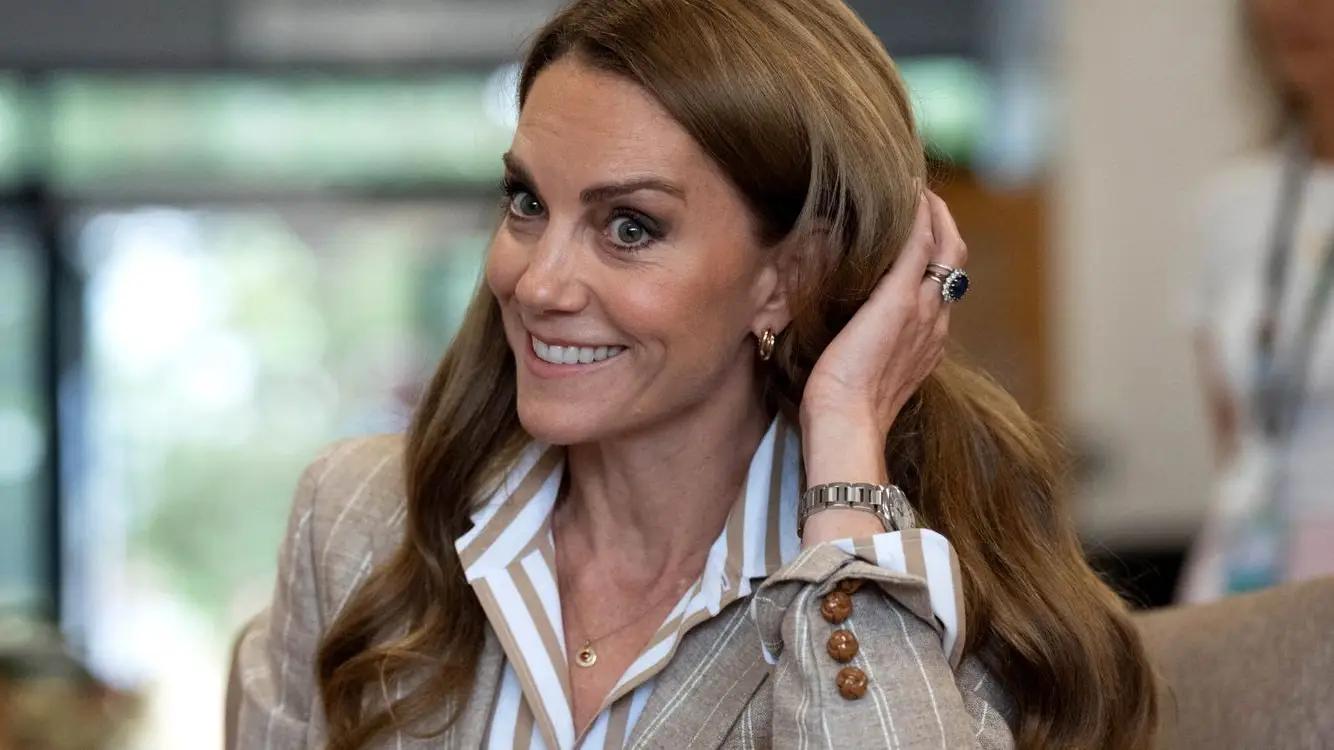
William gave Catherine this steel Ballon Bleu for their third wedding anniversary in 2014, a relatively modest choice for a royal gift: steel, not gold. Some time after, he had the watch's crown-set sapphire quietly swapped for a stone that had belonged to his mother. No announcement, no fanfare. A gift and a gesture that arrived years apart, on the same watch.
King Charles III - Hamilton 6BB Chronograph
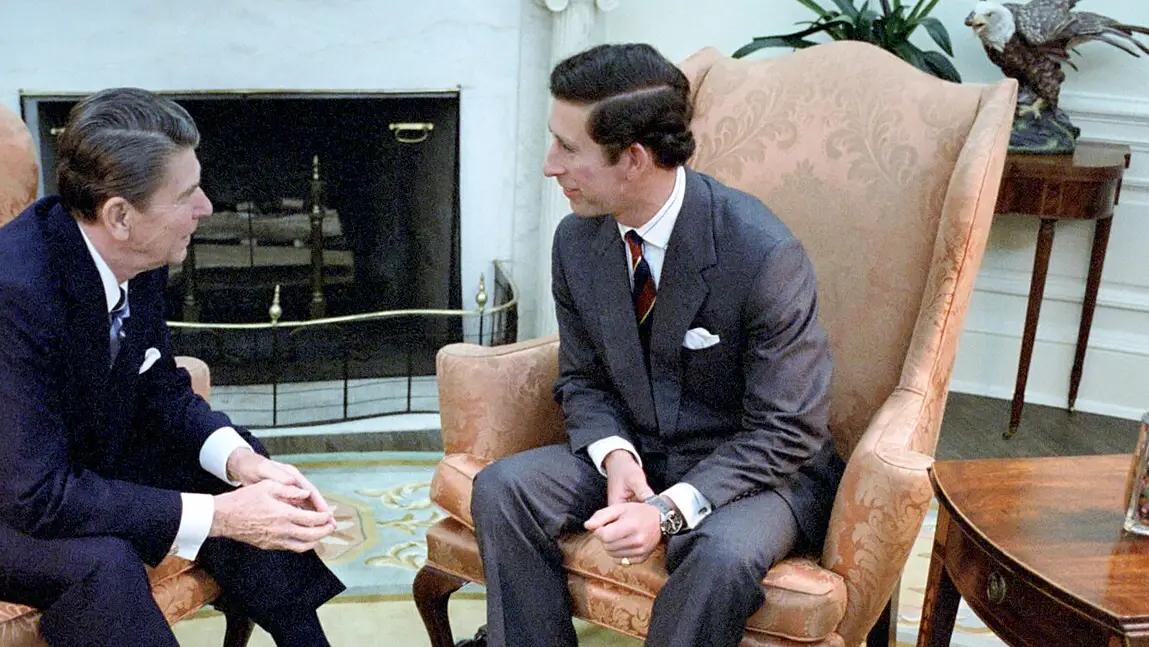
Before he was the Prince of Wales the public knew, Charles trained as an RAF jet pilot at Cranwell in 1971, then moved into the Royal Navy. Photos from that stretch show him in a Hamilton 6BB, one of the "Fab Four" chronographs (Hamilton, CWC, Newmark, Precista) that the Ministry of Defence issued to military pilots once postwar budgets ruled out the far pricier Lemania chronographs. Whether his was issued under the RAF or Navy is unconfirmed. It's the only watch on this list that arrived through military issue rather than inheritance or gift.
King Charles III - Cartier Santos 2961
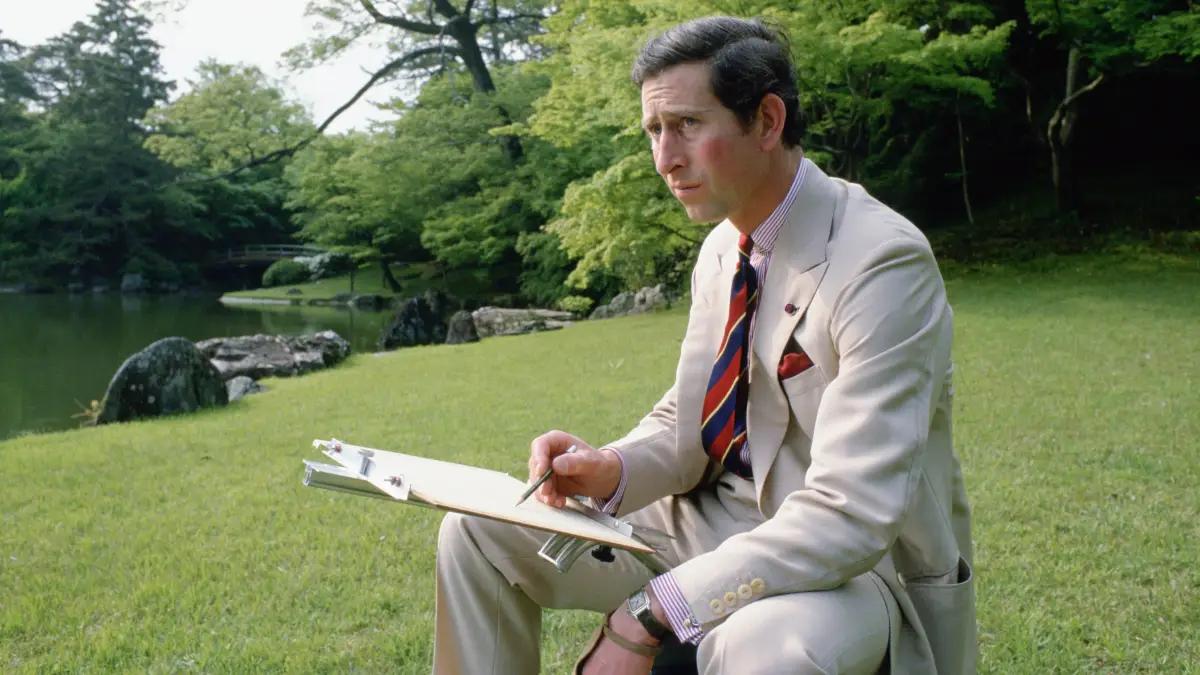
Designed in 1904 for the aviator Alberto Santos-Dumont, who wanted a watch he could read without letting go of his aircraft's controls, the Santos is one of the first purpose-built wristwatches ever made. Charles wore a steel and gold version through the early 1980s, on a leather strap rather than the model's usual bracelet, years before the Parmigiani and the Reverso became his signature pieces. It's the least talked-about watch in his collection, and one of the earliest.
Princess Diana - Cartier Tank Louis
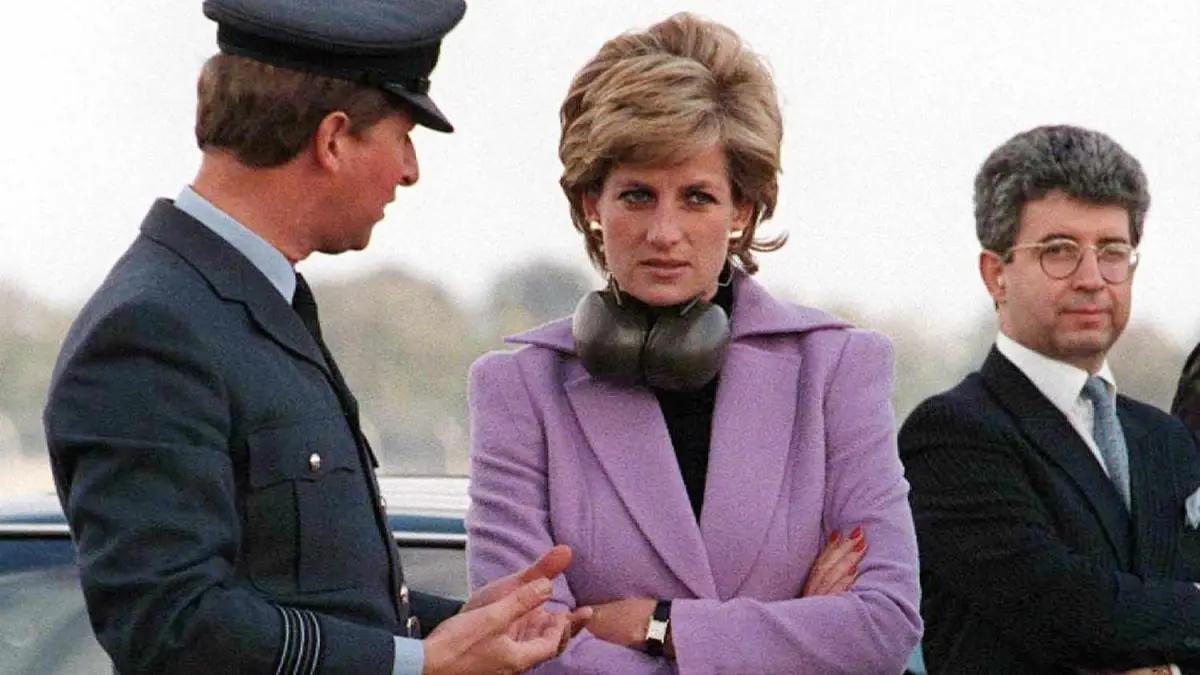
The watch Diana wore more than almost any other: rectangular gold case, leather strap, sapphire cabochon crown, no complications. She wore it in Dior and in jeans, at Buckingham Palace and on a ski slope, right through her final trip to Bosnia in August 1997. It's frequently confused with the Tank Française she also owned, but the two are genuinely different watches: the Louis has no bracelet option, ever, only a strap.
King Charles III - Jaeger-LeCoultre Reverso
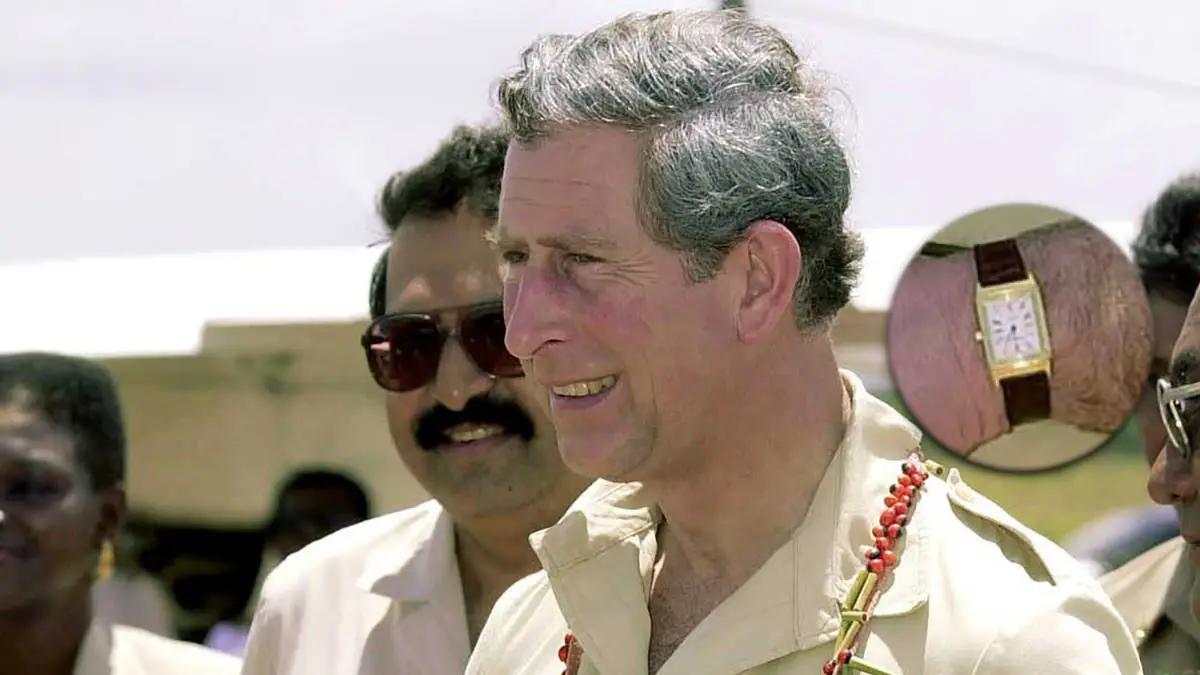
Jaeger-LeCoultre designed the Reverso in 1931 for British army officers playing polo in India, whose watch crystals kept taking direct hits from the mallet. The case flips to protect the glass. Charles has played polo for most of his adult life and owns a gold example, though photographs show it on overseas visits more often than on horseback. A watch engineered to survive a mallet strike spends its actual working life protecting nothing more dangerous than a handshake line.
Prince Harry - Rolex Explorer II 216570
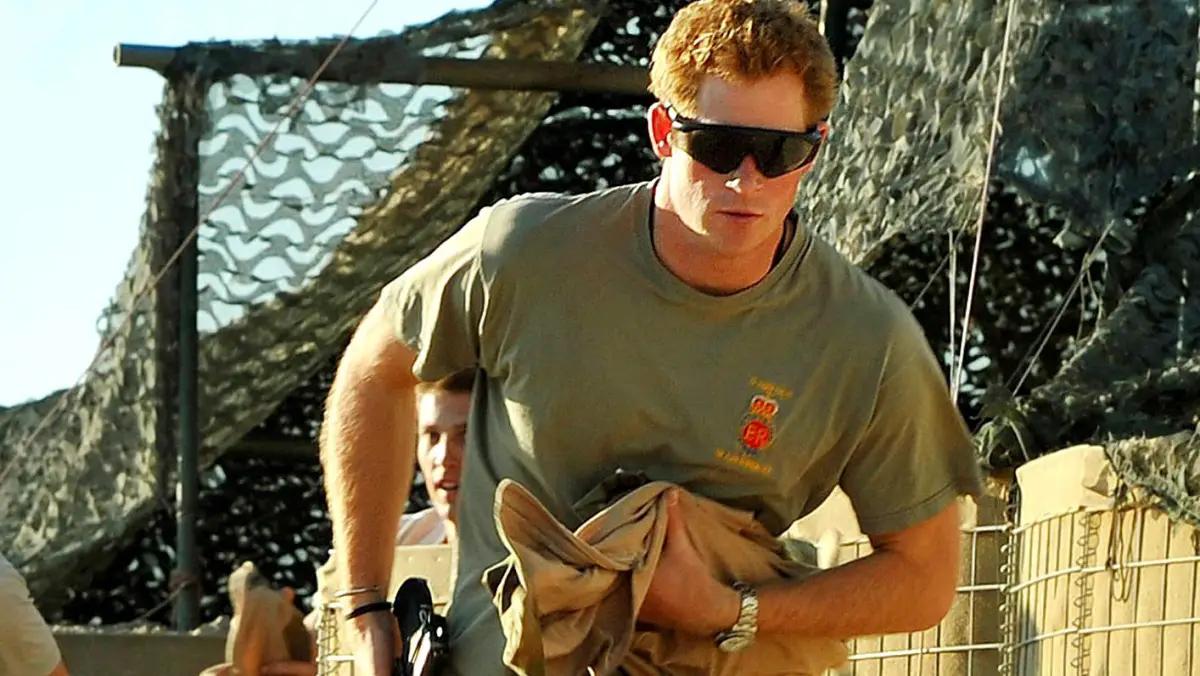
During his second Afghanistan deployment, flying Apaches out of Camp Bastion in 2012-13, Harry was repeatedly photographed in this white-dial Explorer II, nicknamed the Polar. Years later, Rolex produced 48 individually numbered Explorer IIs for the Attack Helicopter Force, each caseback engraved with an Apache above a Union Jack, but the timing doesn't line up: those were made in 2014-15, after his deployment ended, and no source has ever confirmed he received one. The watch he's actually documented wearing doesn't need the unit-watch story to make its point.
Queen Elizabeth II - Patek Philippe Calatrava 4706/II
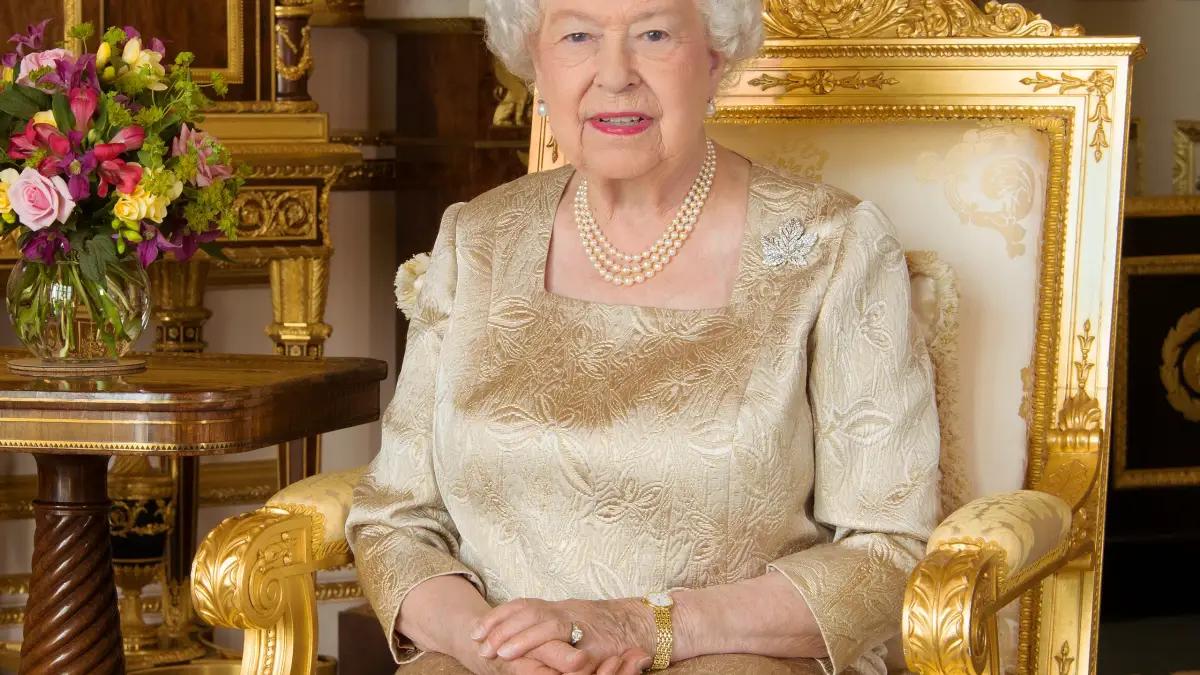
Not every watch a monarch wears is chosen to say something. Alongside the diamond-set pieces she wore for state occasions, the Queen had an everyday rotation, and this small yellow gold Calatrava on a beads-of-rice bracelet was part of it. Photos across decades show her wearing it, and a matching Audemars Piguet, noticeably loose on her wrist. It's the plainest watch she owned, worn for the reason most people wear a watch: to check the time.
Princess Diana - Cartier Tank Française
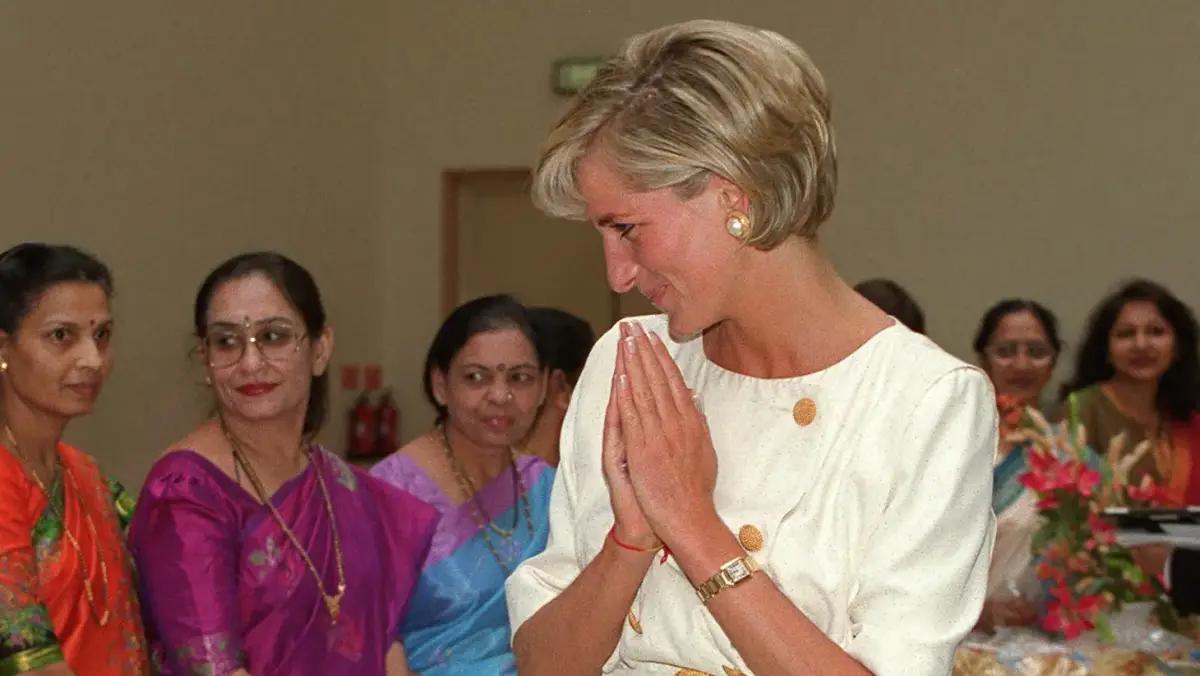
Weeks after her divorce from Charles was finalized in August 1996, Diana appeared at the White House wearing a gold Tank Française that had never been photographed on her before. Cartier had launched the model that same year, and nobody has ever confirmed where hers came from: not Dodi Al Fayed, whose gift the following year was a different watch entirely, and not a public statement from Diana herself. After her death it passed to William, then to Harry in a 2009 exchange, and today it belongs to Meghan Markle.
Meghan, Duchess of Sussex - Cartier Tank Française
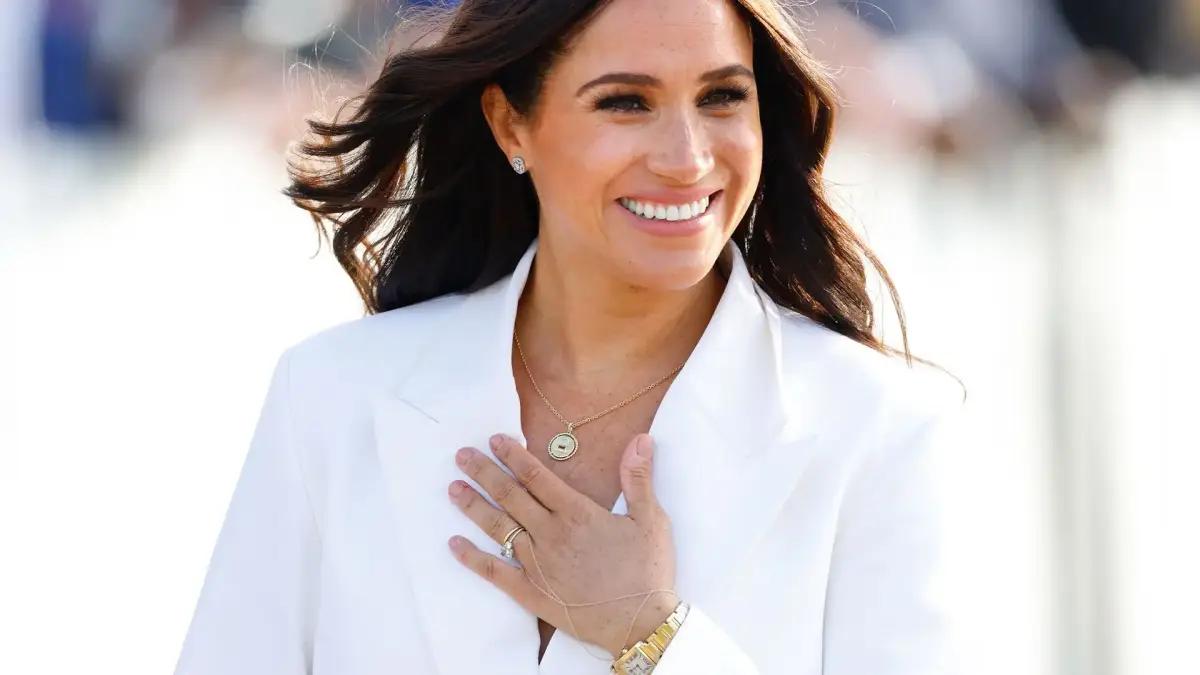
Meghan owns two Cartier Tank Françaises, and they're not interchangeable. One she bought for herself in 2013, two-tone steel and gold, engraved "To M.M. From M.M." to mark Suits getting picked up for a third season. The other is solid gold, and it belonged to Princess Diana. After Diana's death, her butler reportedly took her sons to Kensington Palace to pick keepsakes: William took the watch, Harry took her engagement ring. Around 2009, with William about to propose to Kate and wanting his mother's ring for it, the brothers swapped. The gold Française surfaced on Meghan's wrist in 2020 at a virtual Fortune summit, then again in August 2024 in Colombia, paired with a Cartier Love bangle and a Juste un Clou necklace. Same watch as the Diana entry above. Different owner, different chapter.
King Charles III - Parmigiani Fleurier Toric Chronograph C00940
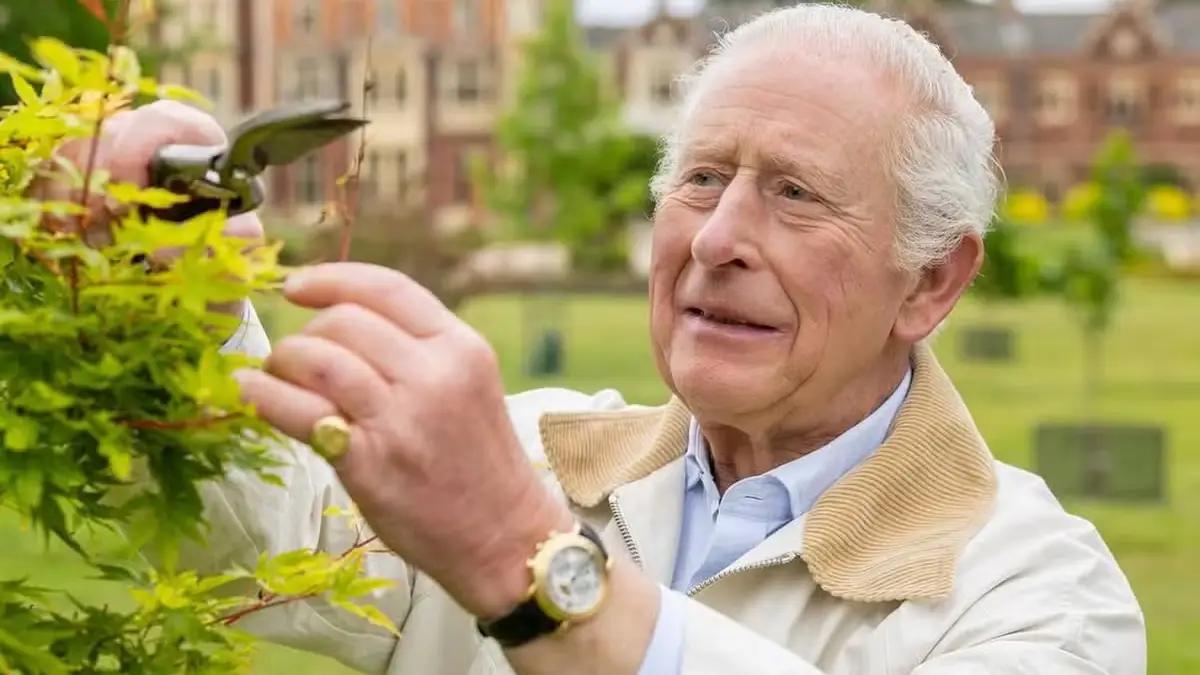
Charles has worn Cartier, Patek, and Jaeger-LeCoultre across four decades in public life, but since becoming King, one watch shows up almost everywhere, including Harry's 2018 wedding: a rose gold Toric Chronograph from Parmigiani Fleurier, an independent Swiss manufacturer most people can't name, founded in 1996 by a watchmaker who spent his career restoring antique timepieces. For someone who could wear something different every single day, the consistency is the tell.
Princess Diana - Patek Philippe Calatrava 3618 & 3445
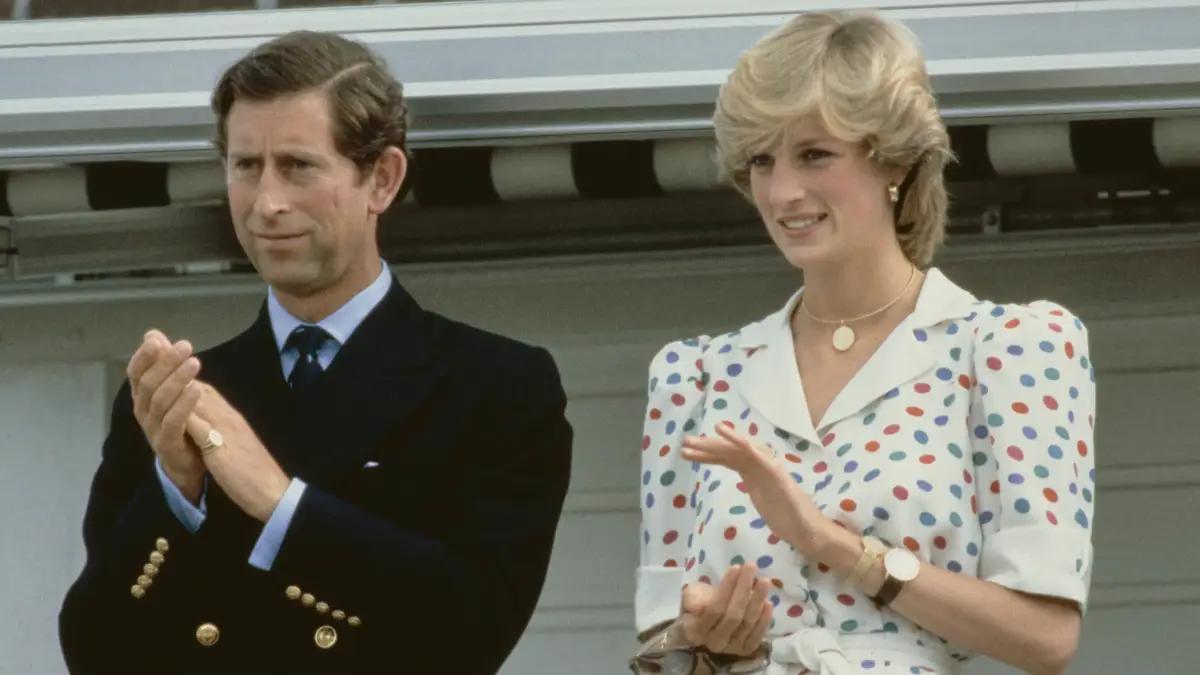
The 3618 was a gift from Charles to Diana for her 20th birthday in July 1981, weeks before their wedding. The 3445, nicknamed the Disco Volante for its convex case, was his own watch, the one he wore to matches for luck. The habit that made both famous: whenever he played polo, she'd wear his on top of her own, both gold Pateks stacked on one wrist at once. It shows up in multiple photographs across the decade, including a widely circulated 1983 image. Two watches. One recurring gesture.
Queen Elizabeth II - Patek Philippe Golden Ellipse 3609/1G
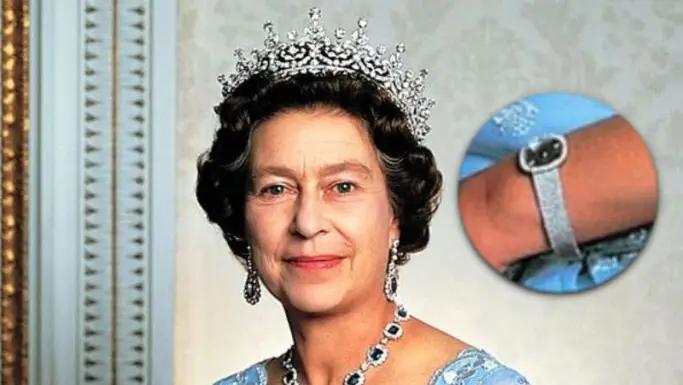
The Golden Ellipse's oval case isn't a style choice, its proportions are calculated to the golden ratio. The Queen's version appears in Yousuf Karsh's November 1984 portrait sitting, one of the most celebrated photo sessions of her reign: white gold, diamond-set bezel, blue sunburst dial, integrated white gold mesh bracelet. The reference had been in Patek's catalogue since the late 1970s, not a one-off commission, and seems to have been part of her rotation for years before that sitting made it widely documented. It runs on the automatic calibre 28-255C in a 33mm case. Patek's relationship with the British monarchy runs back to a pocket watch Queen Victoria owned in the 19th century. This is one of the few pieces in her collection that looks chosen for something other than function.
Queen Elizabeth II - Patek Philippe 4975/1G
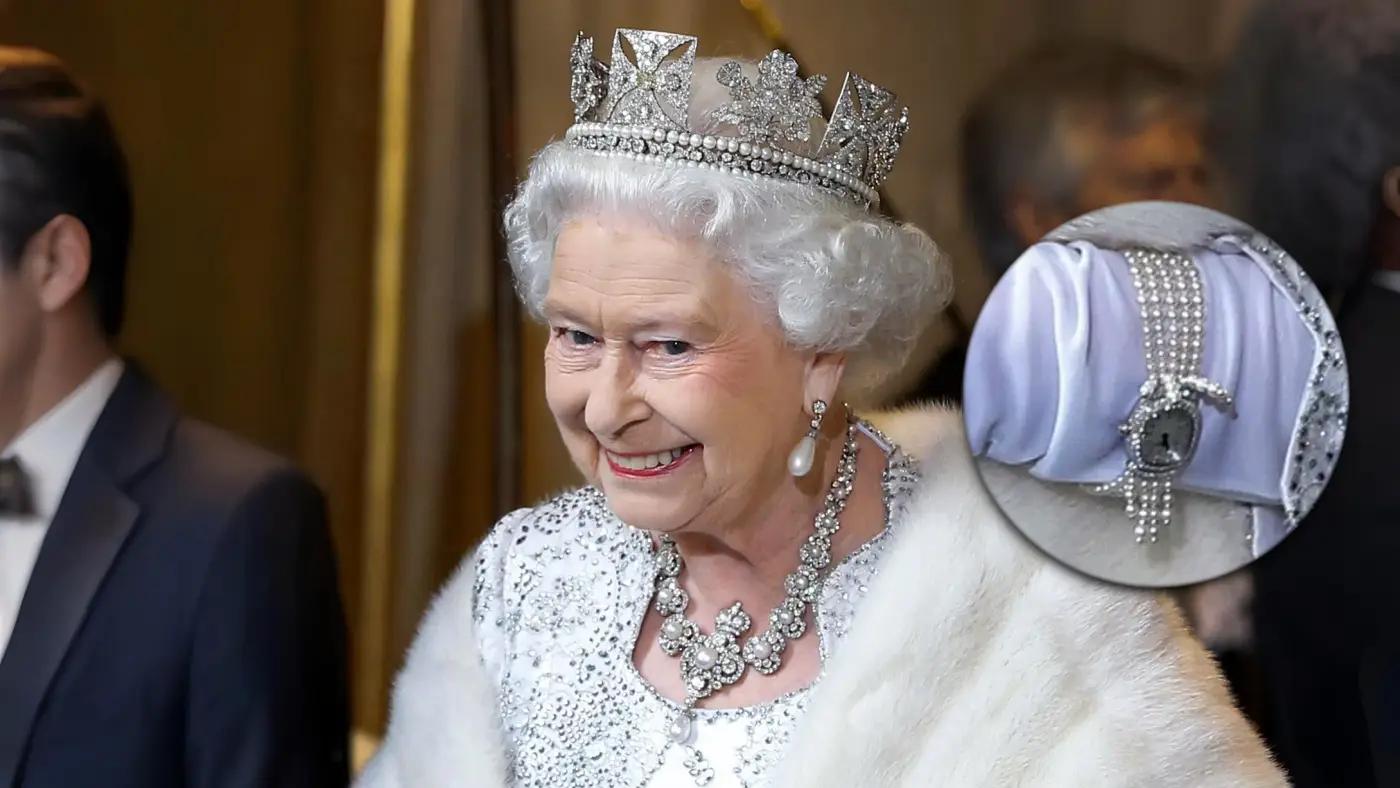
This one doesn't get a price in the ranking because there isn't a real one. The 4975/1G, a white gold case set in diamonds with a five-strand pearl bracelet, was photographed on the Queen multiple times and is essentially a high jewelry piece that happens to tell time. Watch expert Nico Leonard has floated a $50 million estimate if it ever reached auction, but the reference is discontinued, examples never come to market, and no comparable royal-provenance Patek has ever actually sold to test that number. Call it priceless in the literal sense: nobody has had the chance to price it.