Omega Speedmaster 105.012
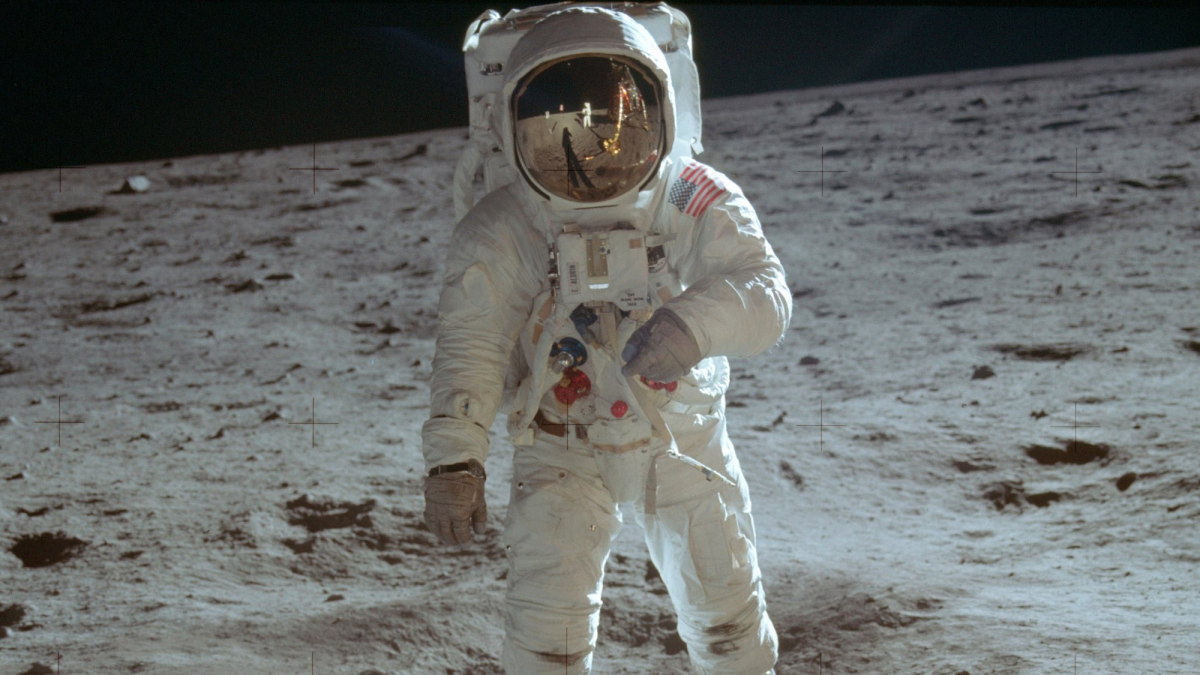
Buzz Aldrin wore an Omega Speedmaster on the lunar surface during Apollo 11 in 1969, marking the first time a watch was used on the Moon. Neil Armstrong left his own Speedmaster inside the Lunar Module as a backup timer after the panel clock briefly malfunctioned, which meant the watch worn by the second man to walk on the Moon became, by accident, the first. NASA's testing process behind that choice was more bureaucratic than the popular version suggests: engineer James Ragan ran four competing chronographs, from Rolex, Longines-Wittnauer, Omega, and Hamilton, through a battery of thermal, vacuum, and vibration tests between October 1964 and March 1965. Only the Speedmaster survived intact, and on March 1, 1965, it was declared "Flight Qualified for All Manned Space Missions." For decades, collectors argued over whether Aldrin's own watch matched Armstrong's exact reference. Omega's museum settled it only after gaining access to Ragan's original NASA paperwork: both men wore the same ST105.012. What happened to Aldrin's watch afterward is the stranger story. It was packed for shipment to the Smithsonian in the early 1970s and never arrived, lost or stolen somewhere in transit. In 2003, a man named Morley claimed to have found it, engraved with the number 43 matching Aldrin's NASA-issued piece, but Aldrin, NASA, and the Smithsonian all rejected the watch as inauthentic after review. Armstrong's own Speedmaster, the one that never touched the Moon, is fully documented down to its serial number. The one that actually made the walk is, officially, still missing.
Seiko 6139-6005
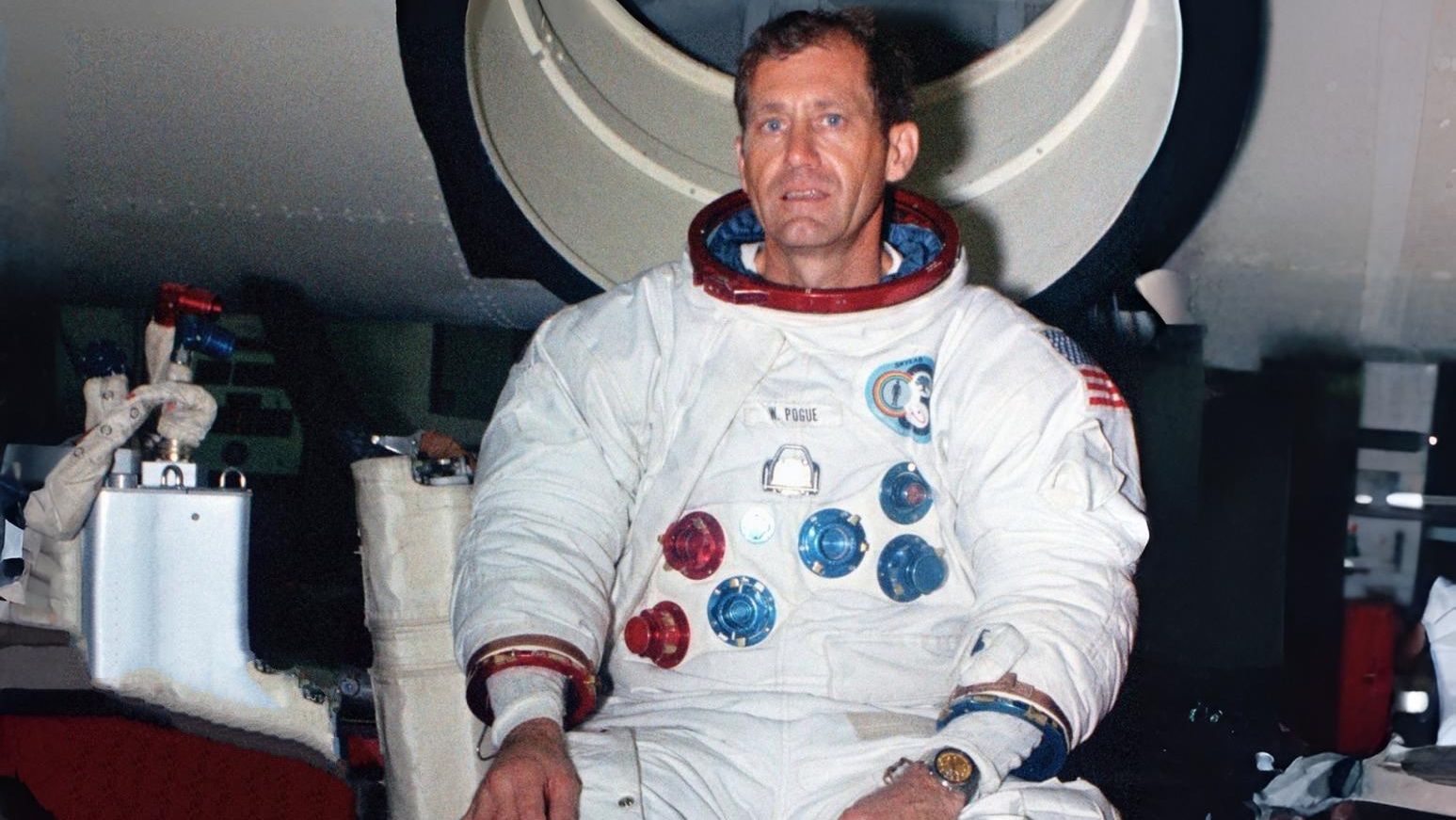
William Pogue bought his Seiko 6139-6005 on layaway at the Air Force base exchange at Ellington for about $64 in September 1972, more than a year before his Skylab 4 mission and before NASA had even issued him an Omega Speedmaster. He trained with the Seiko for six months, using its rotating inner bezel to time simulated thruster burns, and when the Speedmaster finally arrived close to launch, he decided not to choose between them and brought both. Aboard Skylab he wore the Speedmaster on his right wrist and the Seiko on his left, using the Omega only for the two spacewalks it was actually certified for; the Seiko stayed inside the station, timing systems and, by his own account, working flawlessly through zero gravity. Pogue was also one of the three Skylab 4 crew members behind the so-called "Skylab Mutiny," a single day in late 1973 when an overworked crew stopped responding to Mission Control's schedule and effectively went on strike until NASA renegotiated their workload, a detail that fits a man who'd already decided, months earlier, that the official tool wasn't necessarily the only one worth trusting. He kept wearing the Seiko daily for another three decades, often over the Rolex he also owned, before consigning it to Heritage Auctions in 2008, where it sold for $5,975 to benefit the Astronaut Scholarship Foundation.
We may earn a commission on purchases.
G-Shock DW-5600-1V
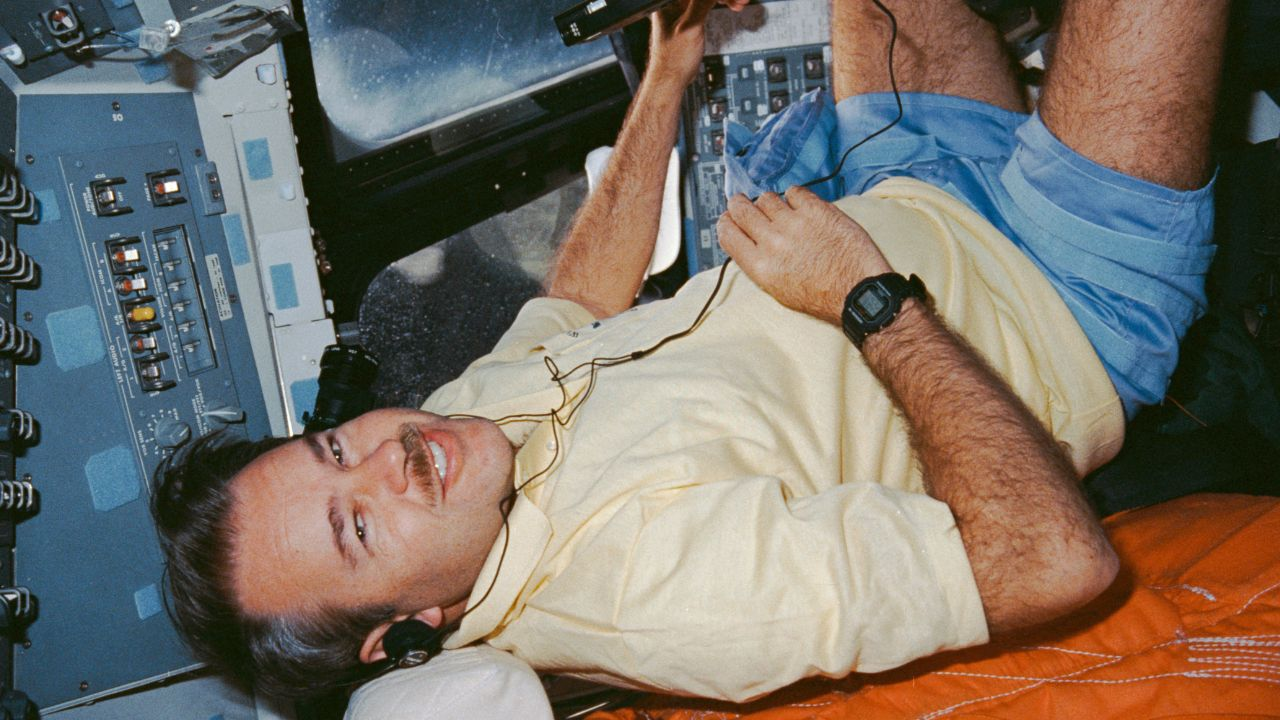
John Creighton wore a G-Shock DW-5600 during the STS-36 Space Shuttle mission in 1990, one of the earliest digital watches certified for use aboard both the Shuttle and the International Space Station. Its appeal for orbit was practical rather than sentimental: shock resistance, a simple quartz movement, and a battery that could run for roughly seven years without attention. Creighton went on to fly three shuttle missions and later worked in Boeing's aircraft marketing division after retiring from NASA.
We may earn a commission on purchases.
Rolex GMT-Master 1675
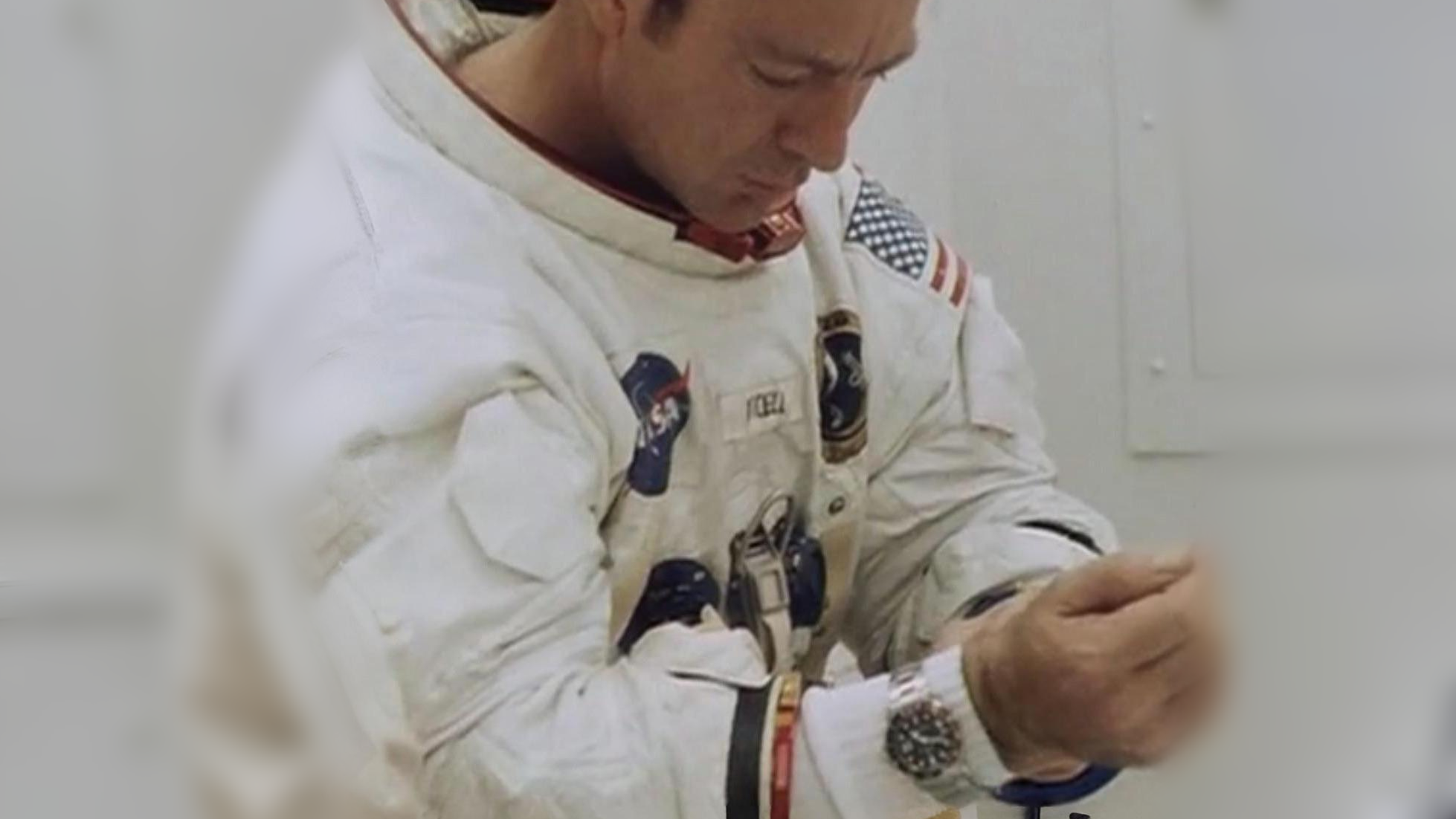
Edgar Mitchell wore his personal Rolex GMT-Master 1675 during Apollo 14 in 1971, and it wasn't the only extra watch he carried under his A7L spacesuit. Alongside his NASA-issued Omega Speedmaster, inventory number 77, he also brought a personal Bulova Astronaut with a custom Houston dial, meaning he flew to the Moon wearing three watches at once. The GMT-Master's serial number, 2448767, sits close enough to the 2448718 on Ron Evans' Apollo 17 GMT-Master that both are believed to have come from the same production batch, quietly supplied through Rolex USA's relationship with NASA astronauts rather than any official program. Mitchell wore the Rolex on his right wrist through the mission's third and final moonwalk, a 9 hour, 23 minute excursion that set the record for the longest at the time. He later said he never worried about winding it: "I never worried about winding my watch because I wore a Rolex." The case back, engraved for his daughter and misspelling her name as "Karlin" instead of Karlyn, sold at auction in 2024 for $2,163,199, more than sixteen times what Evans' nearly identical GMT-Master brought at the same auction house in 2009.
Omega Speedmaster 145.012
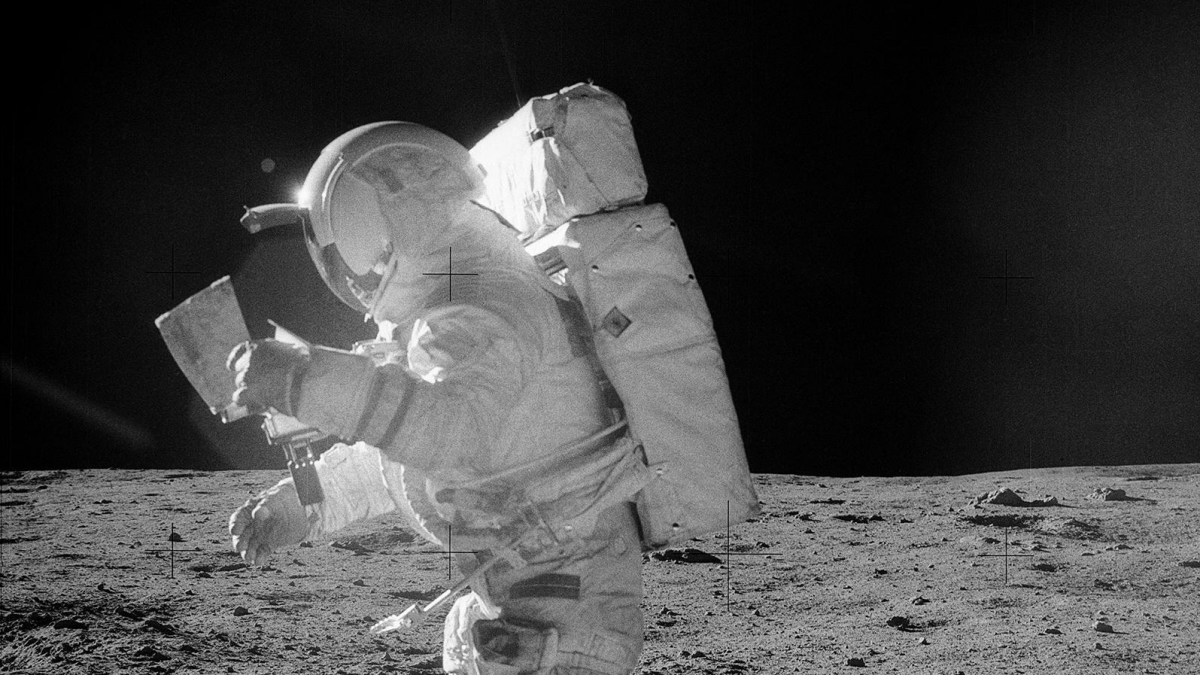
Many watches have flown in space, but there's still only one "Moonwatch": the Omega Speedmaster. Edgar Mitchell's own Speedmaster, worn during Apollo 14 lunar surface operations in 1971, carried NASA inventory number 77 and ran the calibre 321, one of the last Speedmaster references built around that movement before Omega retired it in favor of the 861. It was the official watch, issued rather than chosen, which is precisely why Mitchell also smuggled two personal watches under his suit alongside it.
Bulova Lunar Pilot
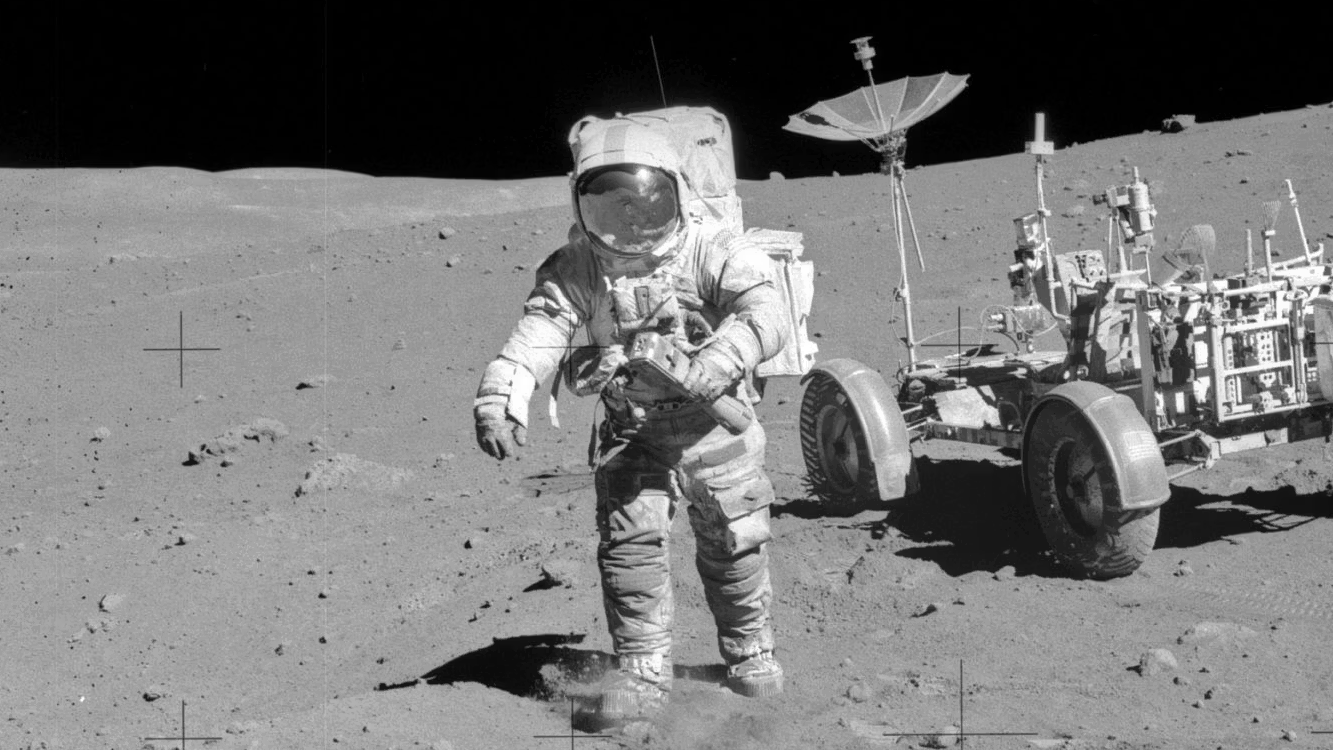
During Apollo 15 in 1971, Commander David Scott said the hesalite crystal on his NASA-issued Omega Speedmaster popped off during a lunar EVA, and switched for the mission's third and final moonwalk to a personal backup: a Bulova chronograph he'd reportedly agreed to "evaluate" in space for the company. Bulova didn't build its own chronograph movements at the time; the watch is believed to run a Valjoux 72 sourced through Universal Geneve, which Bulova had quietly acquired in 1967. The watch was likely one of sixteen prototypes Bulova built for a second NASA qualification round in 1972, an attempt to unseat Omega by leaning on the Buy American Act, an effort that collapsed when NASA's own audit found Bulova's "American" chronograph was Swiss inside. A matching prototype from that batch surfaced at a 1994 Geneva auction and sold for roughly $3,000. No official NASA report documents a crystal failure on Apollo 15, unlike a nearly identical incident on Charlie Duke's watch during Apollo 16 the following year, which is written up in the mission report. That gap, combined with the fact Apollo 15's crew was later reprimanded for smuggling and selling unauthorized postal covers from the same flight, has kept some collectors quietly skeptical of the story's exact sequence. Scott's Bulova sold at auction in 2015 for $1,592,500.
We may earn a commission on purchases.
Casio
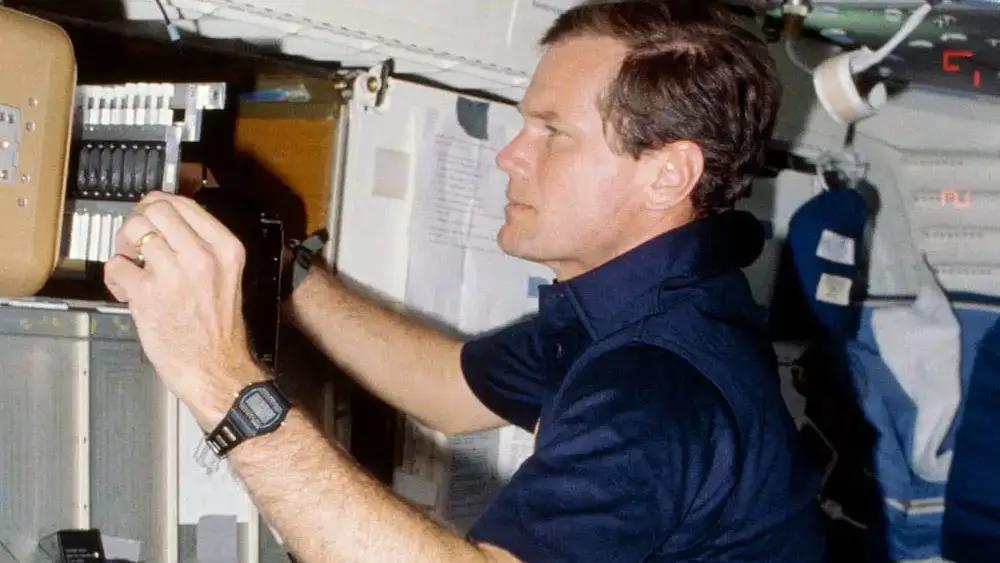
Bill Nelson, then a US congressman, wore a Casio digital watch during the STS-61C Space Shuttle mission in January 1986, flying as a payload specialist after satellite engineer Gregory Jarvis was reassigned off the flight to make room for him. Jarvis was moved to STS-51-L instead, the mission that became the Challenger disaster ten days after Nelson's own flight landed. At a glance the Casio resembles an F-91W, but its curved case marks it as a different reference. Nelson later wrote a memoir about the flight, Mission: An American Congressman's Voyage to Space, and in 2021 became NASA Administrator, running the agency he had once flown for as a passenger.
Richard Mille RM 27-02

In December 2021, Japanese billionaire Yusaku Maezawa spent 12 days aboard the ISS after paying a reported $80 million for the seat, wearing a Richard Mille RM 27-02 Tourbillon Rafael Nadal, one of 50 made and weighing under 20 grams. On camera, he unstrapped it and let it drift in front of him in zero gravity, narrating for his own YouTube channel that it was Nadal's watch. Whether it's the most expensive watch ever worn in space is arguable: Cirque du Soleil founder Guy Laliberte wore an Audemars Piguet Royal Oak grande complication to the ISS in 2009, retailing at roughly $785,000 against the Richard Mille's estimated $770,000, close enough that the title depends on which valuation you trust. The flight had been partly framed as preparation for Maezawa's dearMoon project, a chartered SpaceX Starship flight around the Moon with a crew of artists; he cancelled it in 2024 after Starship's development fell years behind schedule.
Omega Speedmaster 105.003
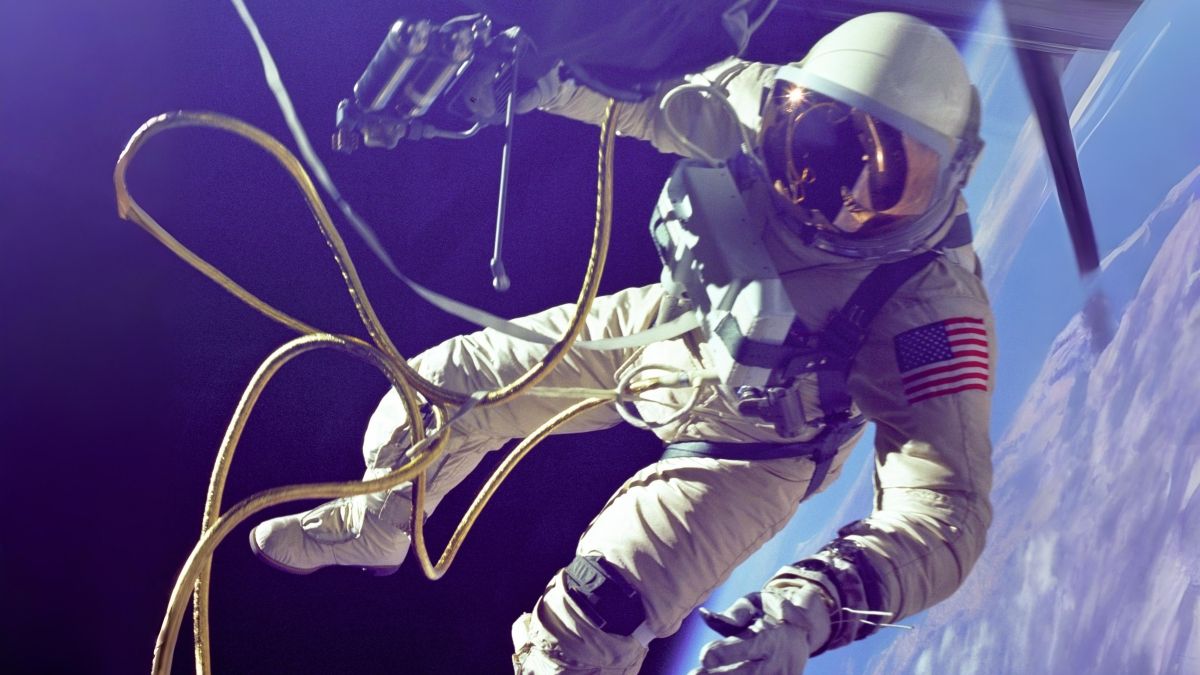
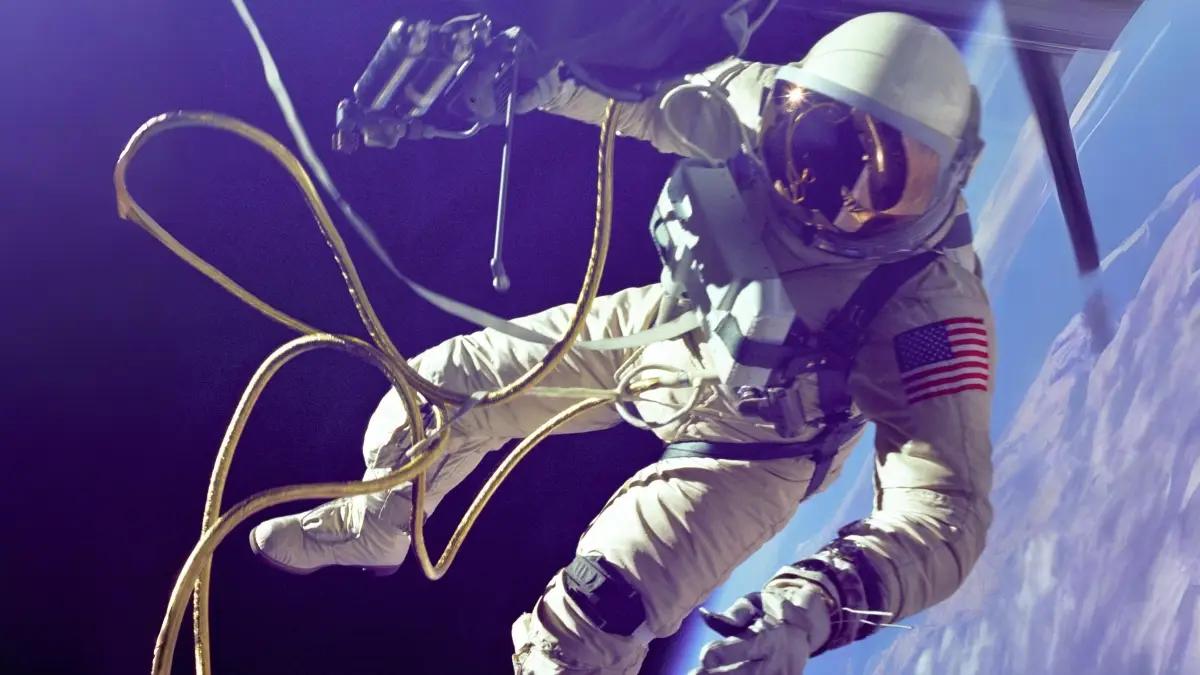
During Gemini 4 in June 1965, Ed White became the first American to walk in space, using a small handheld gas gun to maneuver himself away from the capsule while two Omega Speedmaster 105.003 watches were strapped to the outside of his suit. The spacewalk was scheduled for a matter of minutes; White stayed out for 23, and when Mission Control finally ordered him back in, he reportedly called it the saddest moment of his life. Less than two years later, White died alongside Gus Grissom and Roger Chaffee in the Apollo 1 fire during a launch pad test in January 1967. One of his two Gemini 4 Speedmasters was destroyed in the accident; the other passed to his son and now sits in a private collection in Japan. His Gemini 4 crewmate James McDivitt's own Speedmaster ended up in the Smithsonian instead. When Omega rebuilt the reference in 2022 and named it the "Ed White," the case geometry wasn't scanned from White's own surviving watch. It came from a tomographic scan of Gene Cernan's 105.003, the last man on the Moon lending his watch's exact proportions to a reissue named for someone else.
Seiko 6139-6002
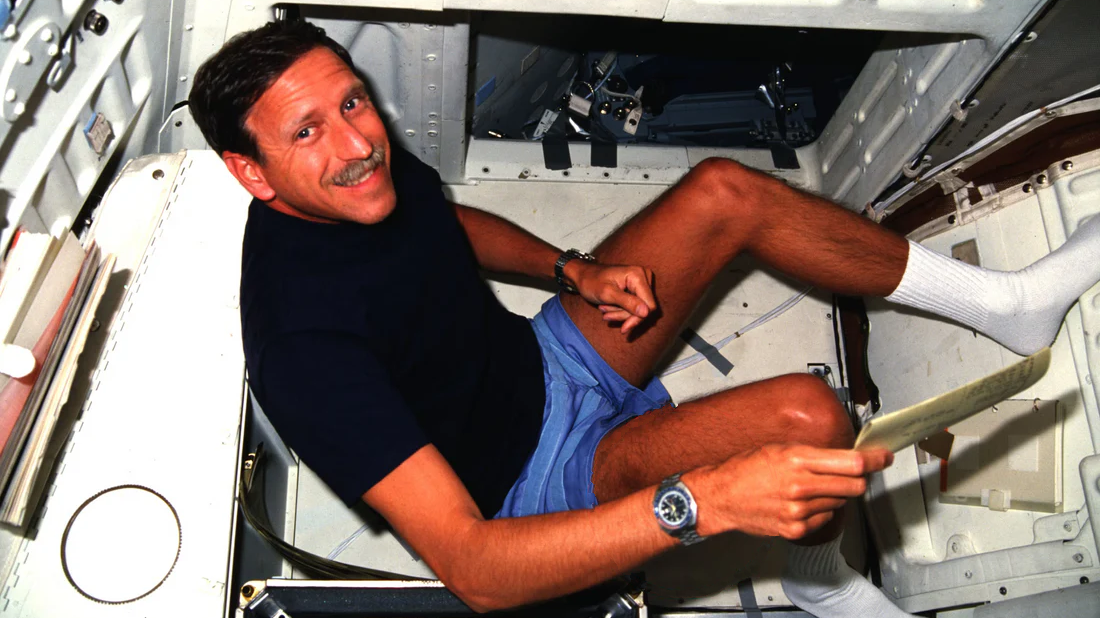
During STS-51-G in June 1985, astronaut Richard Covey wore a Seiko 6139-6002 he'd bought at a Vietnam base exchange fourteen years earlier, on his right wrist, with a quartz Seiko A829 on his left keeping Mission Elapsed Time. Covey had already flown the Seiko through 339 combat missions as an Air Force pilot before it left the atmosphere. Two years after his own flight, he served as CAPCOM, the astronaut who talks to the crew from Mission Control, for the Challenger disaster. His next mission, STS-38 in 1990, carried a classified Department of Defense payload; asked decades later whether it involved a satellite built to covertly inspect other nations' geostationary satellites, Covey's answer was "no comment." His Seiko survived a 1990s burglary that took his other space-flown watches, an Omega Speedmaster and a Rolex Datejust among them, largely because he'd forgotten where he'd put it.
We may earn a commission on purchases.
Glycine Airman 314050
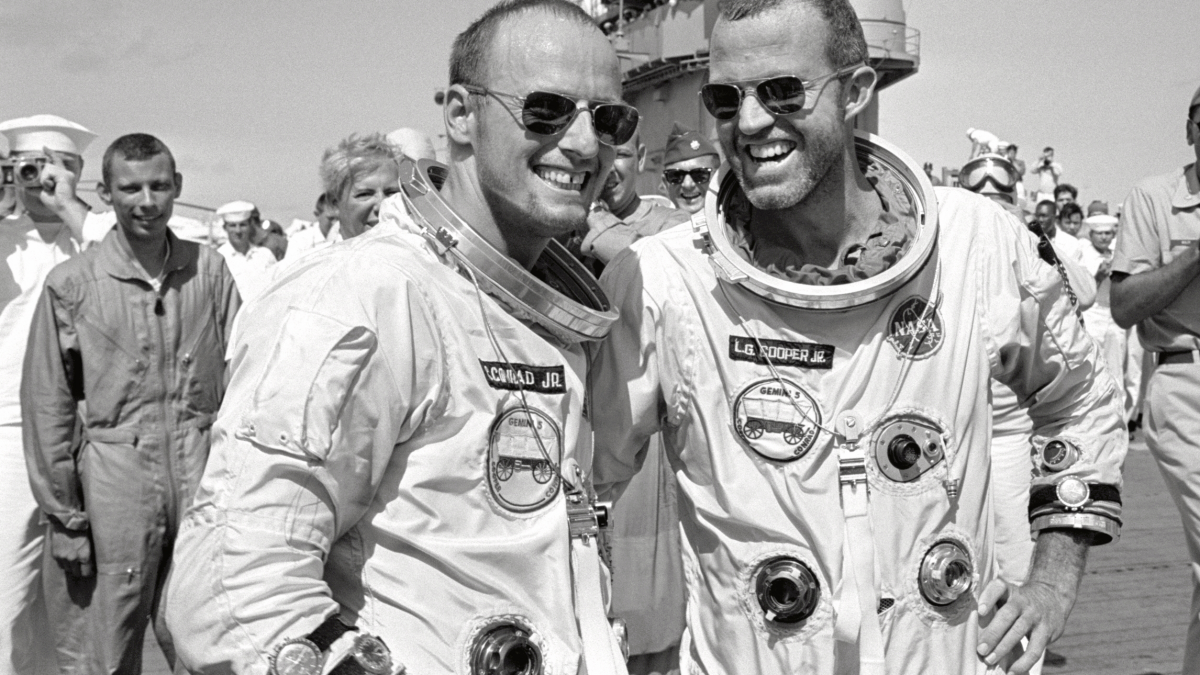
Pete Conrad wore a Glycine Airman on Gemini 5 in 1965 and again on Gemini 11 in 1966, the mission during which it was directly exposed to the vacuum of space during Richard Gordon's spacewalk, thanks to the open two-man Gemini capsule design. Gemini 11 also set the crewed spaceflight altitude record at the time, reaching roughly 1,368 kilometres, a mark that stood for decades. Three years later, Conrad became the third person to walk on the Moon during Apollo 12, but by then he'd switched to the standard-issue Speedmaster; the Glycine's flight history belongs to Gemini alone.
We may earn a commission on purchases.
Omega Speedmaster Moon to Mars
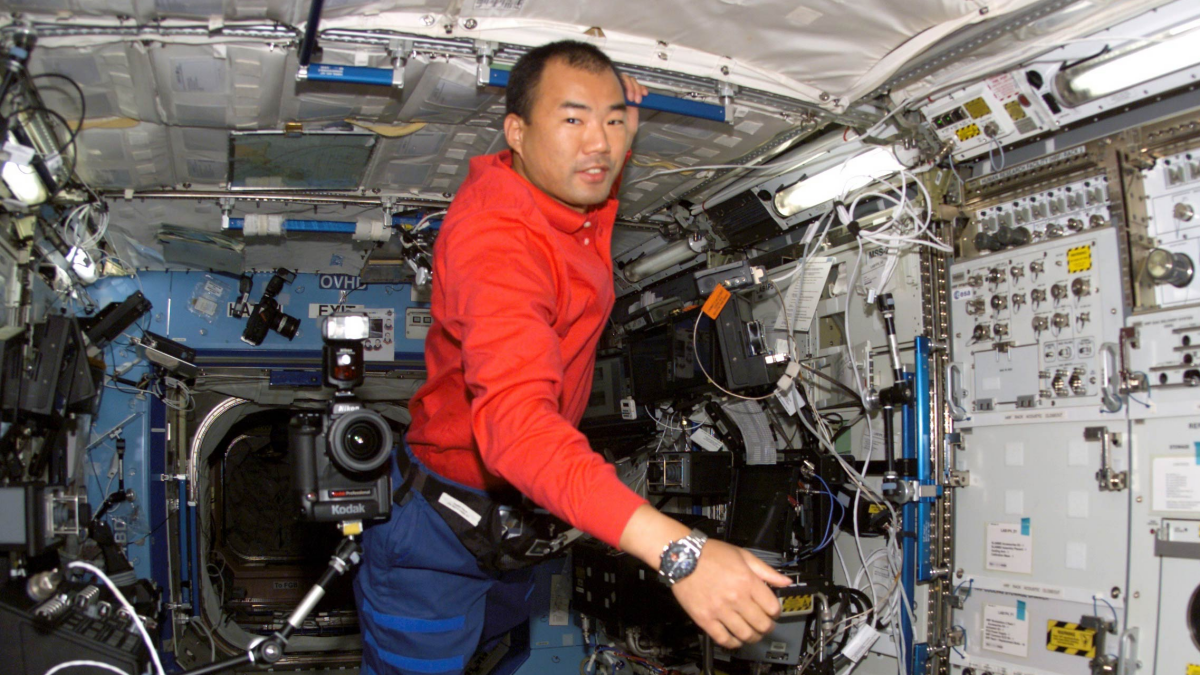
In 2005, Soichi Noguchi flew STS-114, NASA's first Shuttle mission since the Columbia disaster over two years earlier, wearing two Speedmasters at once: his NASA-issued Speedmaster X-33 on his left wrist for official duty, and his own Omega Speedmaster "Moon to Mars," co-designed with manga artist Leiji Matsumoto and limited to 3,500 pieces, on his right, the wrist he favors as a left-handed astronaut. Noguchi had wanted to be an astronaut since watching Matsumoto's Galaxy Express 999 as a teenager. He later became the first Japanese astronaut to fly a Russian Soyuz and, in 2020, the first non-American to fly three different types of spacecraft.
We may earn a commission on purchases.