Watches worn in outer space

From tool watches to personal backups used beyond Earth
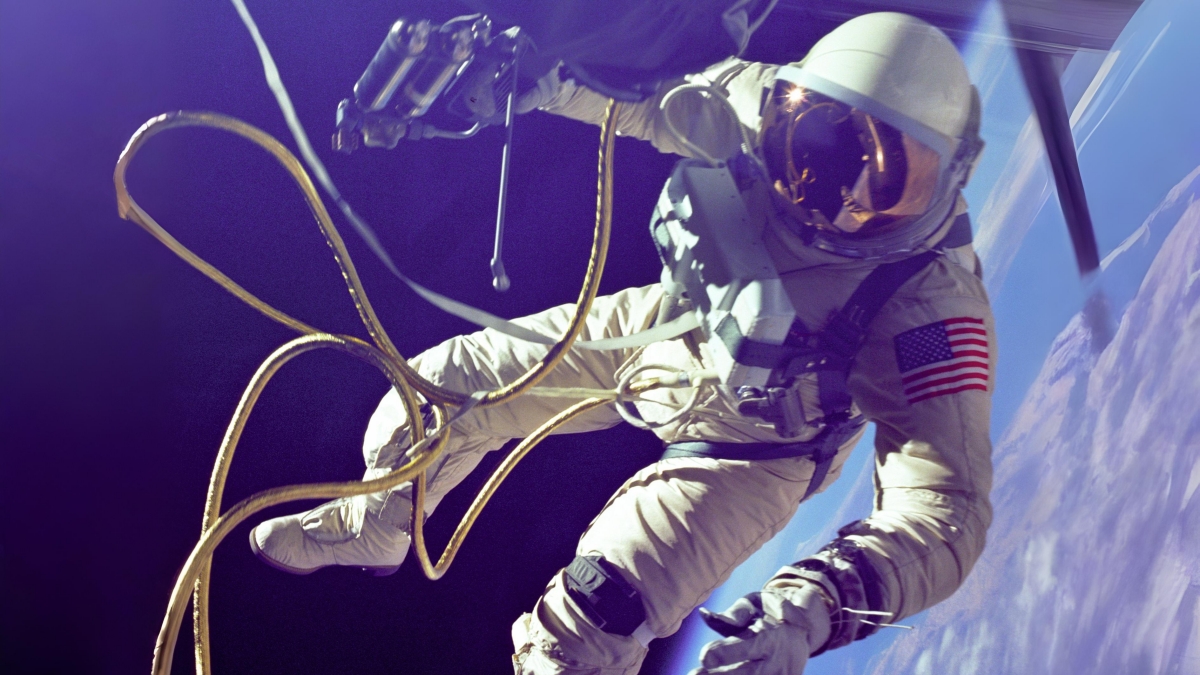
Image: © NASA

Omega Speedmaster - Apollo 11

Neil Armstrong
Neil Armstrong
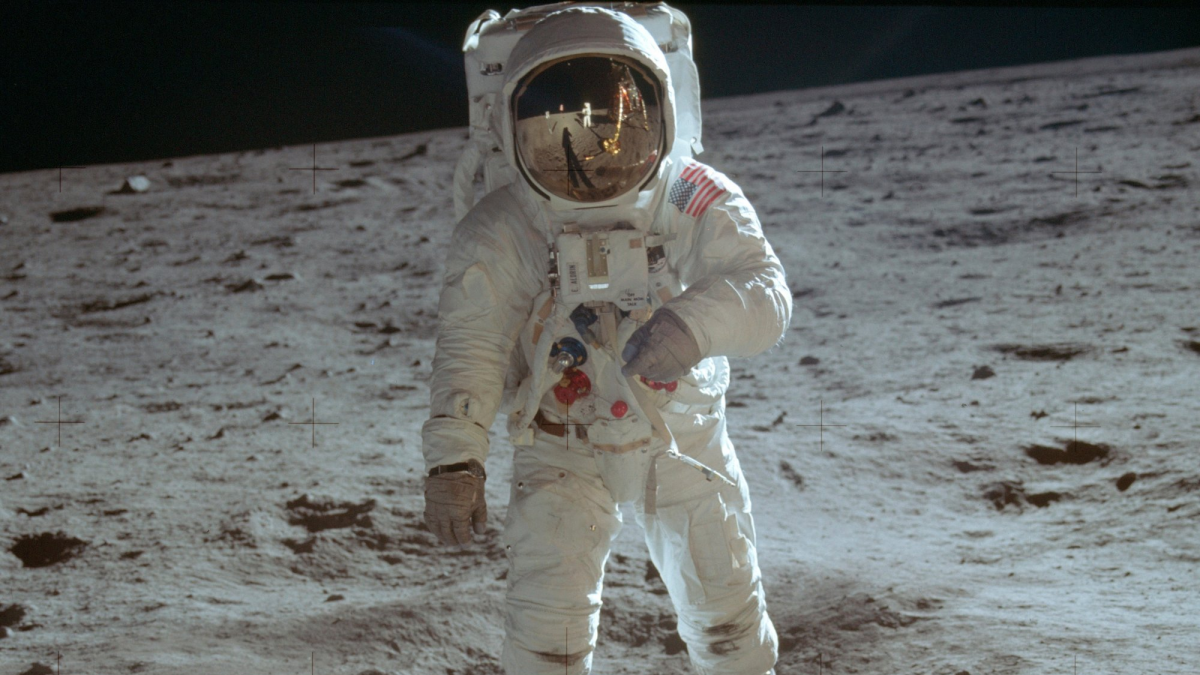
Neil Armstrong wearing a Omega Speedmaster on the moon
Image: © NASA
Image: © amsterdamvintagewatches

Seiko "Pogue" 6139-6002 - Skylab 4

William Pogue
William Pogue
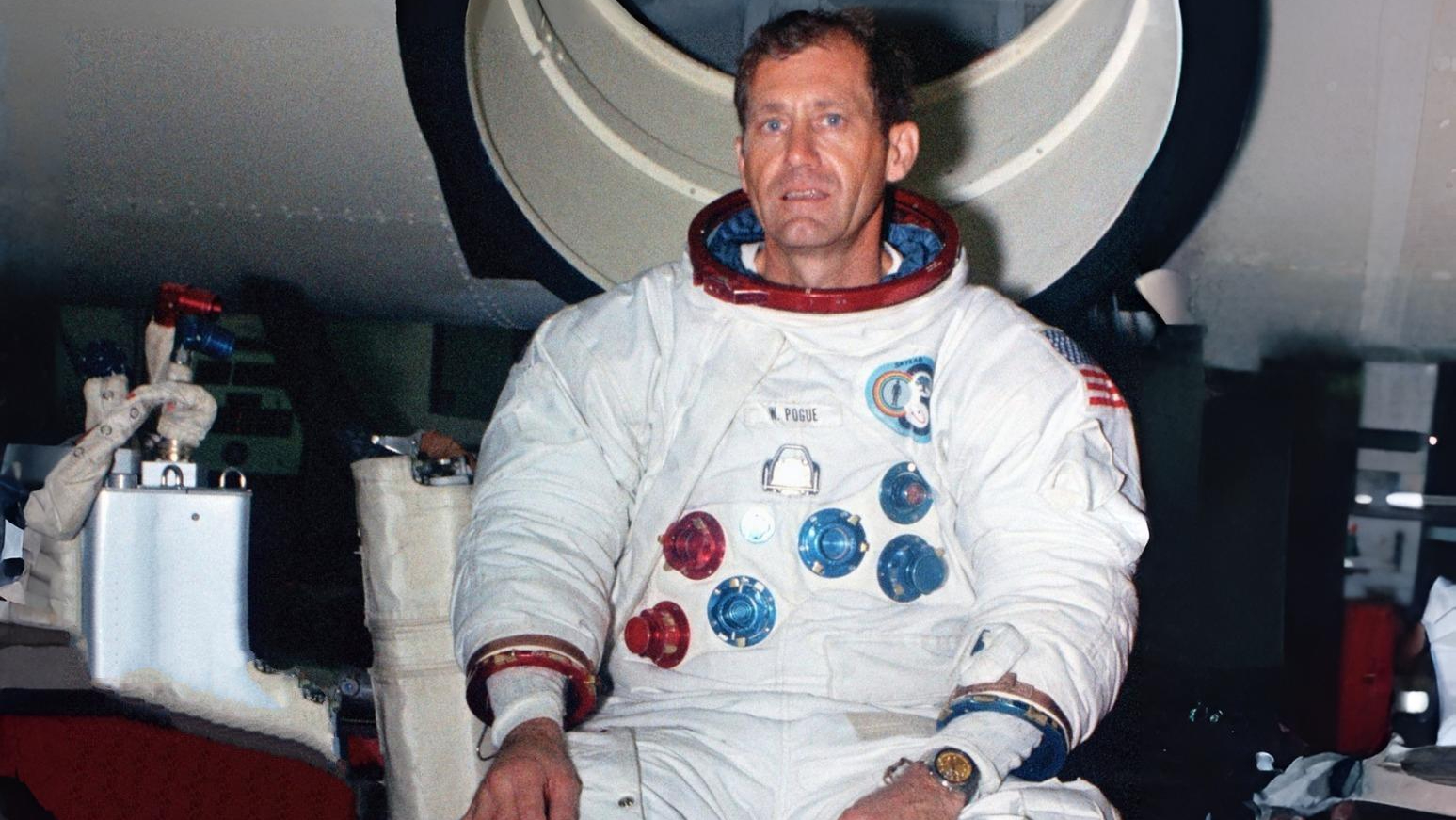
William Pogue using a Seiko watch in space
Image: © Nasa
Image: © ragoarts

G-Shock DW-5600 - STS-36

John Creighton
John Creighton
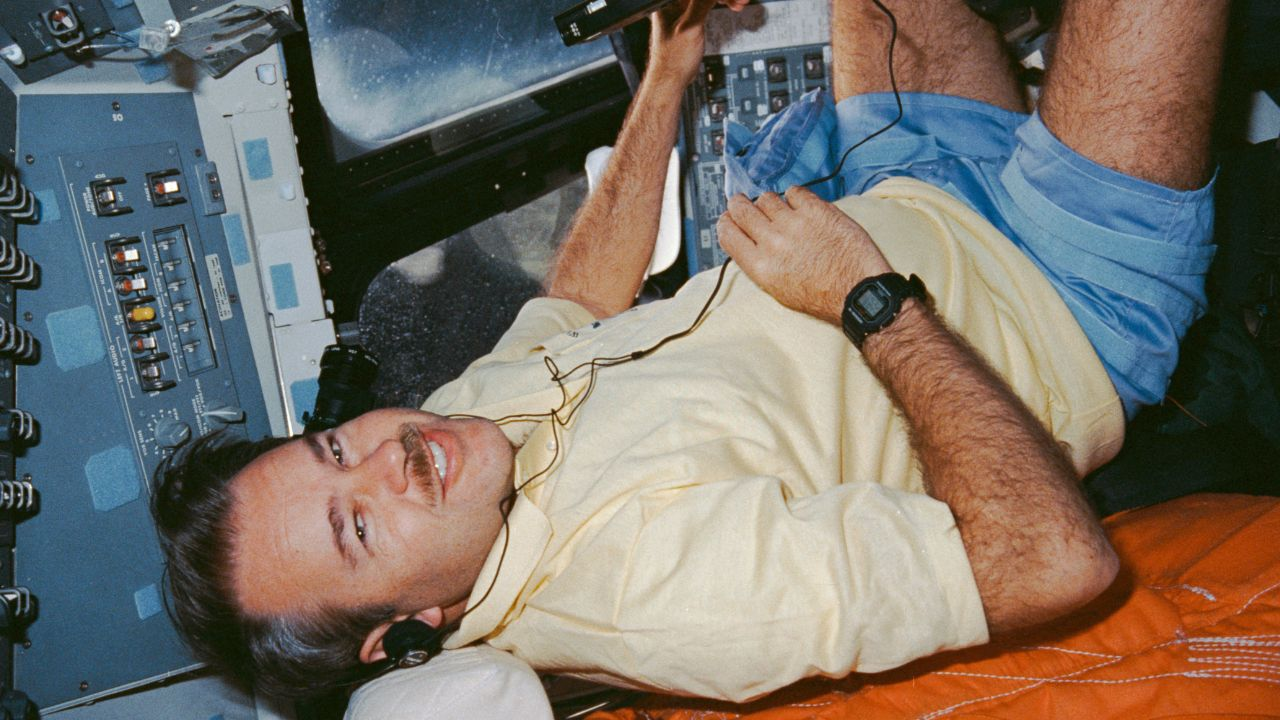
John Creighton wearing a G-Shock watch in space
Image: © Nasa
Image: © Casio

Rolex GMT-Master 1675- Apollo 14

Edgar Mitchell
Edgar Mitchell
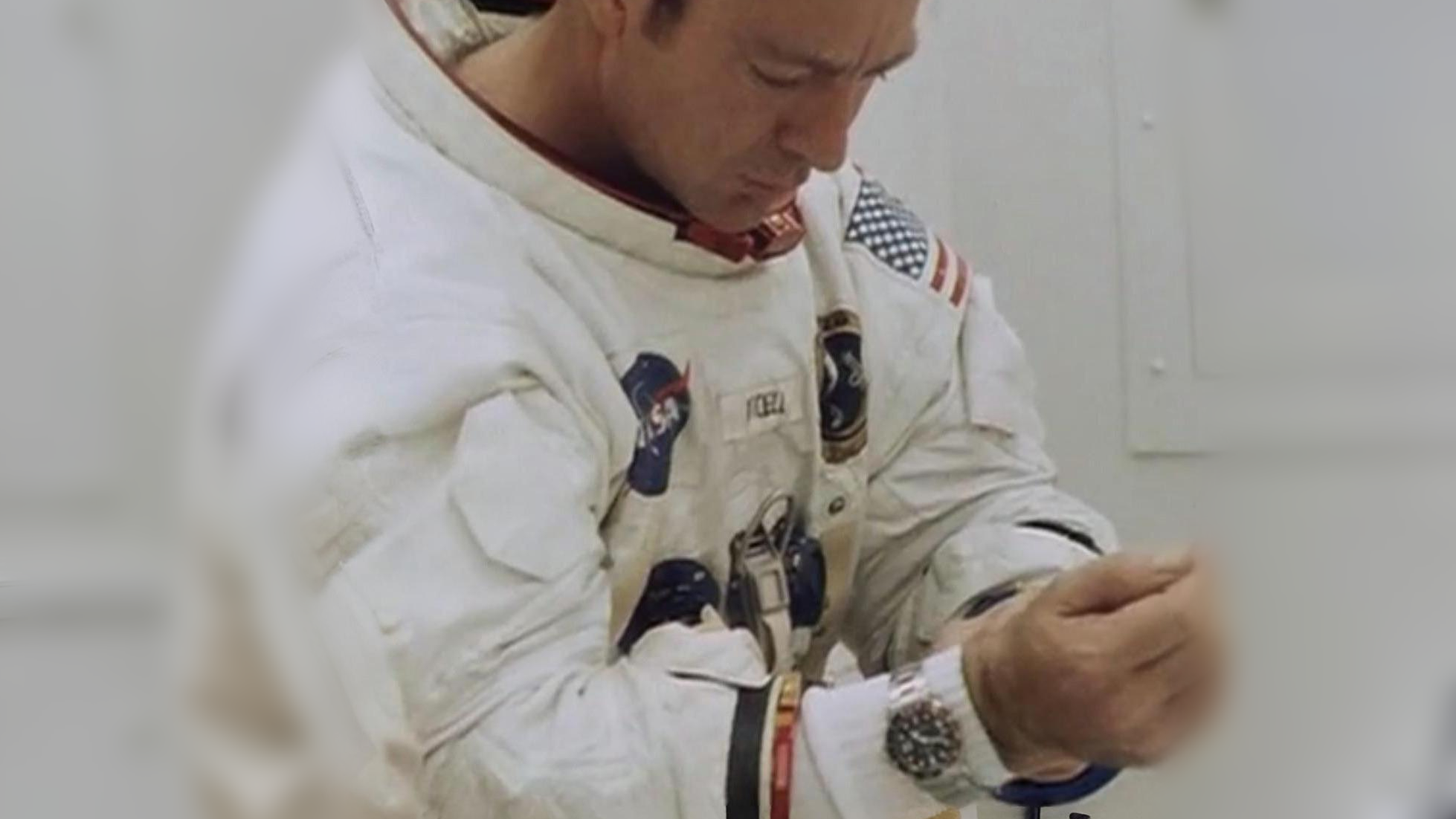
Edgar Mitchell using a Rolex watch in space
Image: © NASA
Image: © ap-watches

Omega Speedmaster 145.012 - Apollo 14

Edgar Mitchell
Edgar Mitchell
Edgar Mitchell using a Omega watch in space
Image: © NASA
Image: © ap-watches

Bulova Lunar Pilot - Apollo 15

David Scott
David Scott
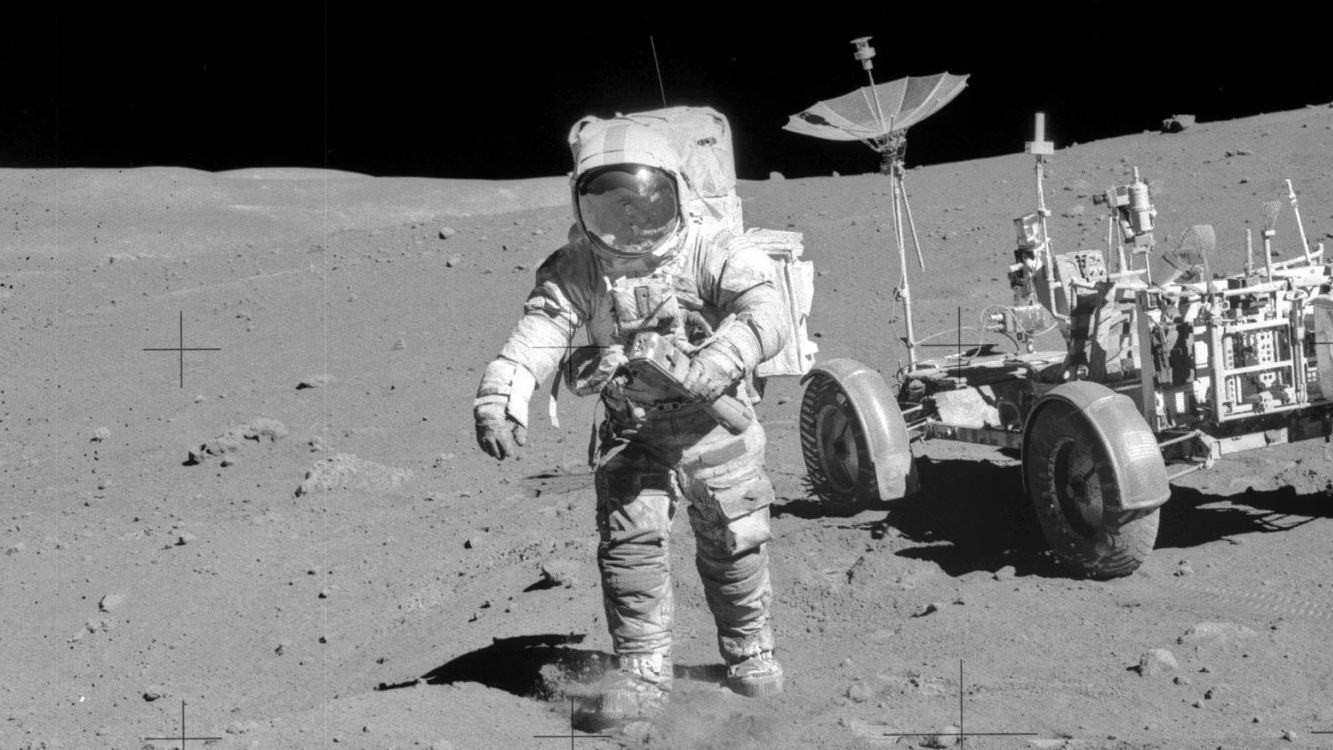
David Scott using a Bulova watchon the moon
Image: © NASA
Image: © goodhouret

Casio - STS-61C

Bill Nelson
Bill Nelson
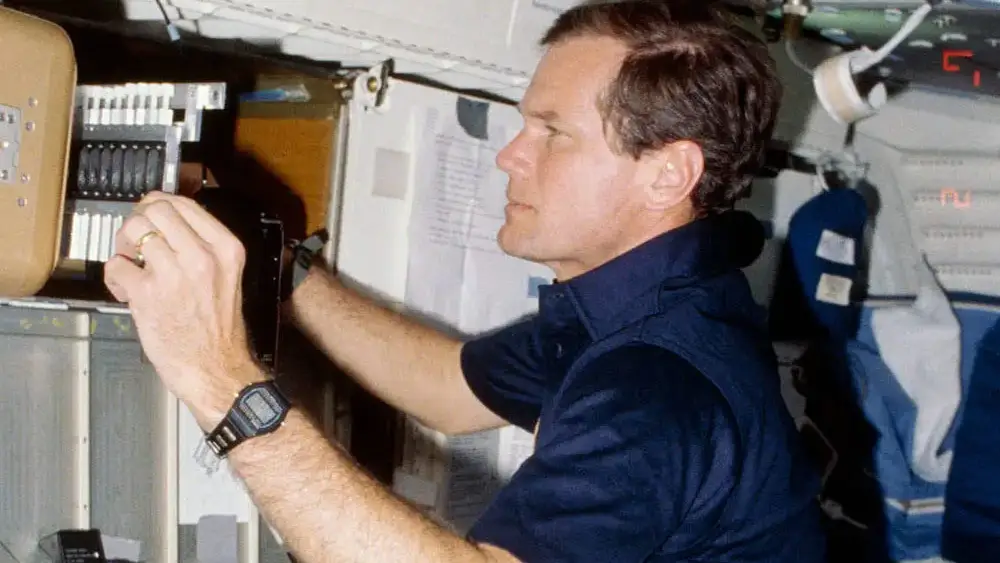
Bill Nelson using a Casio watch in Space
Image: © NASA
Image: © Casio

Richard Mille RM 27-02 - ISS Mission (2021)

Yusaku Maezawa
Yusaku Maezawa using a Richard Mille watch in Space
Image: © NASA
Image: © Richard Mille

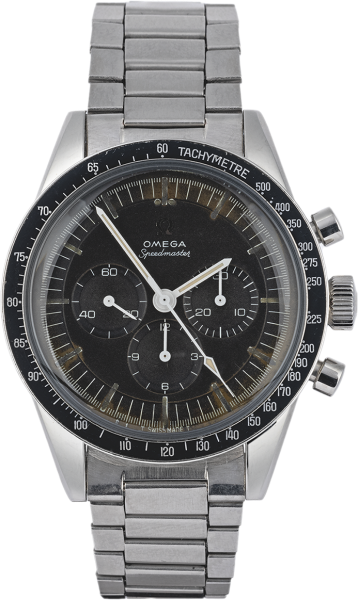
Omega Speedmaster 105.003 - Gemini 4

Ed White
Ed White
Ed White using Omega watch in space
Image: © NASA
Image: © Watchclub

Seiko 6139-6005 - STS-51

Richard O. Covey
Richard O. Covey using a Seiko watch in space
Image: © NASA
Image: © watchcharts

Glycine Airman 314050 - Gemini 11

Pete Conrad
Pete Conrad using a Glycine watch in space
Image: © NASA
Image: © mostra-store

Omega Speedmaster Moon to Mars - STS-114

Soichi Noguchi
Soichi Noguchi using a Omega watch in space
Image: © Nasa
Image: © Omega

Watches worn in outer space

From tool watches to personal backups used beyond Earth
Image: © NASA

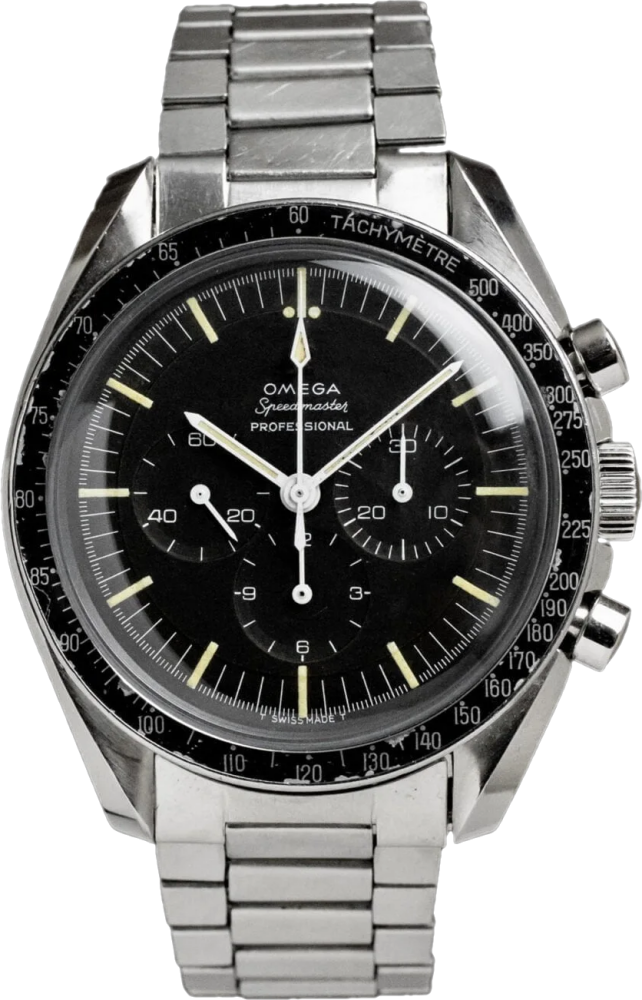
Omega Speedmaster - Apollo 11

Neil Armstrong wearing a Omega Speedmaster on the moon
Image: © NASA
Image: © amsterdamvintagewatches
Neil Armstrong wore an Omega Speedmaster during the Apollo 11 moon landing in 1969, marking the first time a watch was used on the lunar surface. In the early 1960s, NASA tested chronographs from several brands, including Rolex, Longines, Hamilton, and Bulova, under extreme conditions. The manually wound Speedmaster was the only watch to pass every test, earning its place as NASA’s standard-issue chronograph and later the nickname “Moonwatch.”
Image: © amsterdamvintagewatches
Check the Price
Find alternative

Seiko "Pogue" 6139-6002 - Skylab 4

William Pogue using a Seiko watch in space
Image: © Nasa
Image: © ragoarts
William Pogue wore his personal Seiko 6139-6002 during the Skylab 4 mission in 1973. The watch was not issued by NASA but brought privately, making it the first automatic chronograph worn in space. Its yellow dial and Pepsi bezel made it highly legible in orbit. The story later turned the model into the Seiko “Pogue,” now a cult favorite with several modern reissues.
Image: © ragoarts
Check the Price
Find alternative

G-Shock DW-5600 - STS-36

John Creighton wearing a G-Shock watch in space
Image: © Nasa
Image: © Casio
John Creighton wore a G-Shock DW-5600 during the STS-36 Space Shuttle mission in 1990. The model is one of the few digital watches certified for use aboard both the Space Shuttle and the International Space Station. It was likely chosen for its shock resistance, simple quartz movement, and long battery life of around seven years, making it a low-maintenance, high-reliability tool in orbit.
Image: © Casio
Check the Price
Find alternative

Rolex GMT-Master 1675- Apollo 14

Edgar Mitchell using a Rolex watch in space
Image: © NASA
Image: © ap-watches
Edgar Mitchell wore his personal Rolex GMT-Master 1675 during the Apollo 14 mission in 1971, and it later became one of the few watches known to have flown to the Moon. The “Pepsi” bezel GMT tracked time zones and shows evidence of space use in photos from pre-launch and aboard the Command Module. In 2024 the watch sold at auction for $2,163,199, underlining its rarity as a Moon-flown chronometer.
Image: © ap-watches
Check the Price
Find alternative

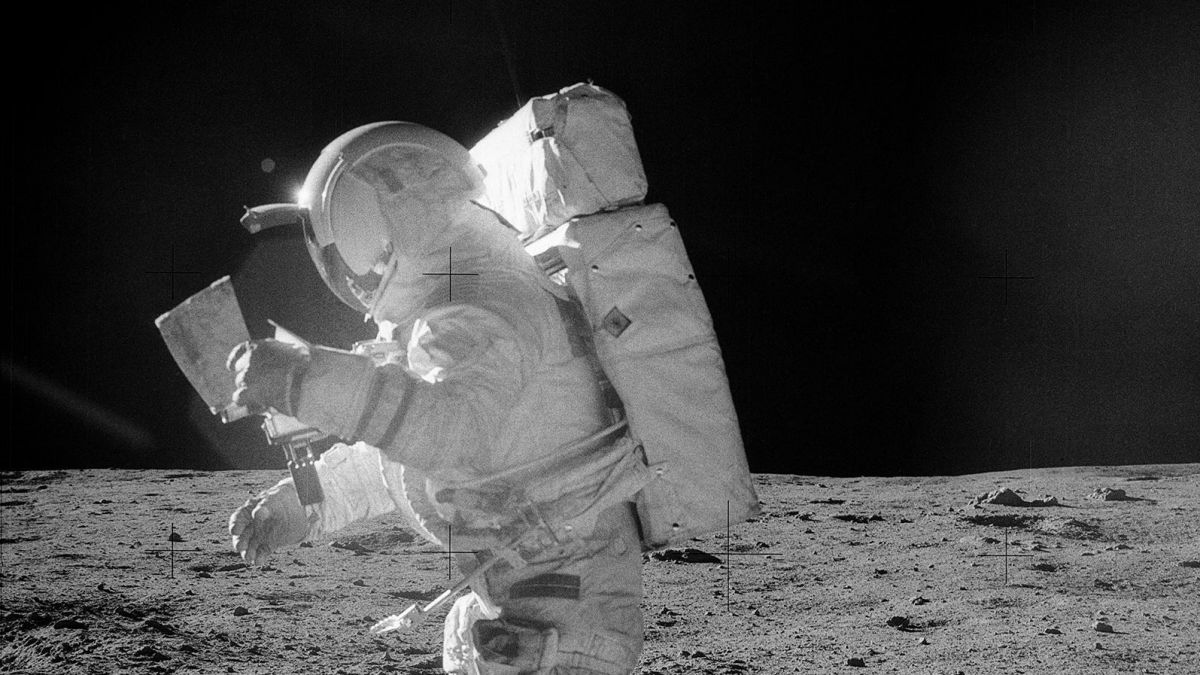
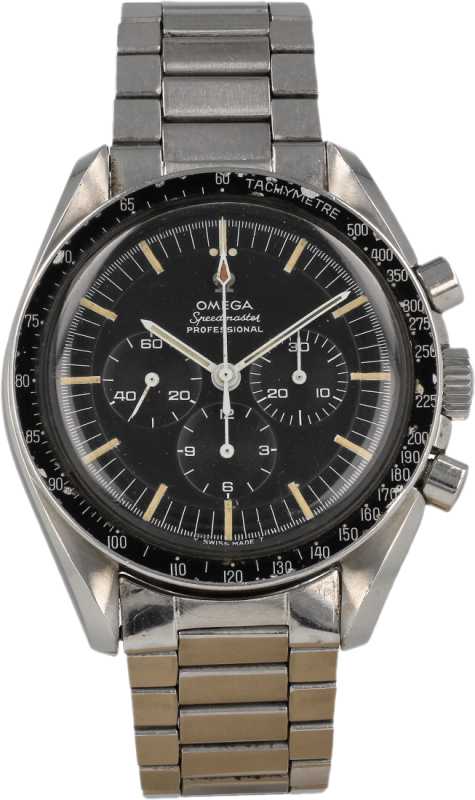
Omega Speedmaster 145.012 - Apollo 14

Edgar Mitchell using a Omega watch in space
Image: © NASA
Image: © ap-watches
Many watches have flown in space, but there is still only one “Moonwatch”: the Omega Speedmaster. During Apollo 14 in 1971, Edgar Mitchell wore his Speedmaster 145.012 during lunar surface operations. The reference was one of the last Speedmasters with the calibre 321 movement which i know as the "moon movment". Fun fact: Mitchell was also known to wear a Rolex GMT-Master, likely kept under his suit during the mission.
Image: © ap-watches
Check the Price
Find alternative

Bulova Lunar Pilot - Apollo 15

David Scott using a Bulova watchon the moon
Image: © NASA
Image: © goodhouret
During Apollo 15 in 1971, Commander David Scott wore a NASA-issued Omega Speedmaster, which failed during the second moonwalk when the hesalite crystal detached. For the third and final EVA, Scott switched to his personal backup watch, a Bulova chronograph. This made the Bulova the only privately owned watch worn on the lunar surface, later earning it the nickname “Lunar Pilot.” It is now one of Bulova's best sellers.
Image: © goodhouret
Check the Price
Find alternative

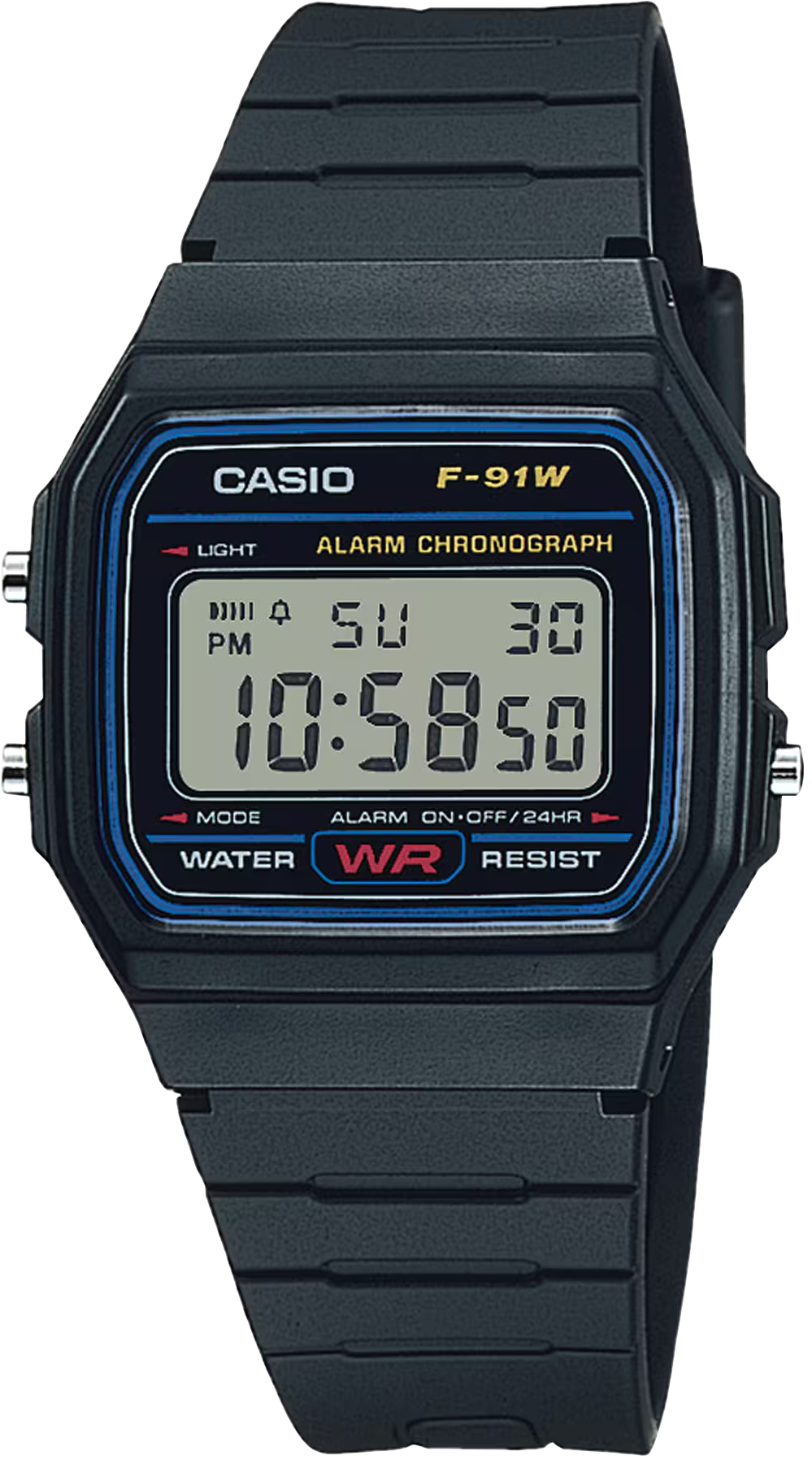
Casio - STS-61C

Bill Nelson using a Casio watch in Space
Image: © NASA
Image: © Casio
Bill Nelson is seen wearing a Casio digital watch during the STS-61C Space Shuttle mission in 1986. While it resembles an F-91W at first glance, the curved case suggests it is a different Casio model rather than the flat-sided F-91W. Regardless of the exact reference, Casio digital watches were already known for accuracy, durability, and long battery life, making them a practical and trusted choice for spaceflight environments.
Image: © Casio
Check the Price
Find alternative

Richard Mille RM 27-02 - ISS Mission (2021)

Yusaku Maezawa using a Richard Mille watch in Space
Image: © NASA
Image: © Richard Mille
In December 2021, Japanese billionaire Yusaku Maezawa spent 12 days aboard the ISS after paying around $80 million for the mission. On his wrist was a Richard Mille RM 27-02, likely the most expensive watch ever worn in space, valued at roughly $800,000. The flight also served as preparation for Maezawa’s now-cancelled dearMoon lunar project.
Image: © Richard Mille
Check the Price
Find alternative

Omega Speedmaster 105.003 - Gemini 4

Ed White using Omega watch in space
Image: © NASA
Image: © Watchclub
During Gemini 4 in 1965, Ed White became the first American to perform a spacewalk, wearing two Omega Speedmaster 105.003 watches. both was worn on his left wrist. This mission marked NASA’s first operational use of the Speedmaster and the legendary calibre 321 movement in space, setting the foundation for the Moonwatch era that followed.
Image: © Watchclub
Check the Price
Find alternative

Seiko 6139-6005 - STS-51

Richard O. Covey using a Seiko watch in space
Image: © NASA
Image: © watchcharts
During STS-51 in 1984, astronaut Richard O. Covey wore a Seiko 6139 automatic chronograph in space. This marks the second documented Seiko 6139 flown on a Space Shuttle mission. Unlike NASA-issued Speedmasters, the Seiko was a personal watch, valued for its automatic movement and clear chronograph layout. The 6139 remains notable as one of the earliest automatic chronographs to reach orbit.
Image: © watchcharts
Check the Price
Find alternative

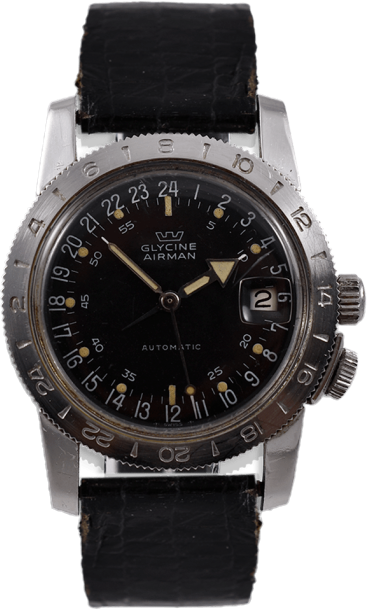
Glycine Airman 314050 - Gemini 11

Pete Conrad using a Glycine watch in space
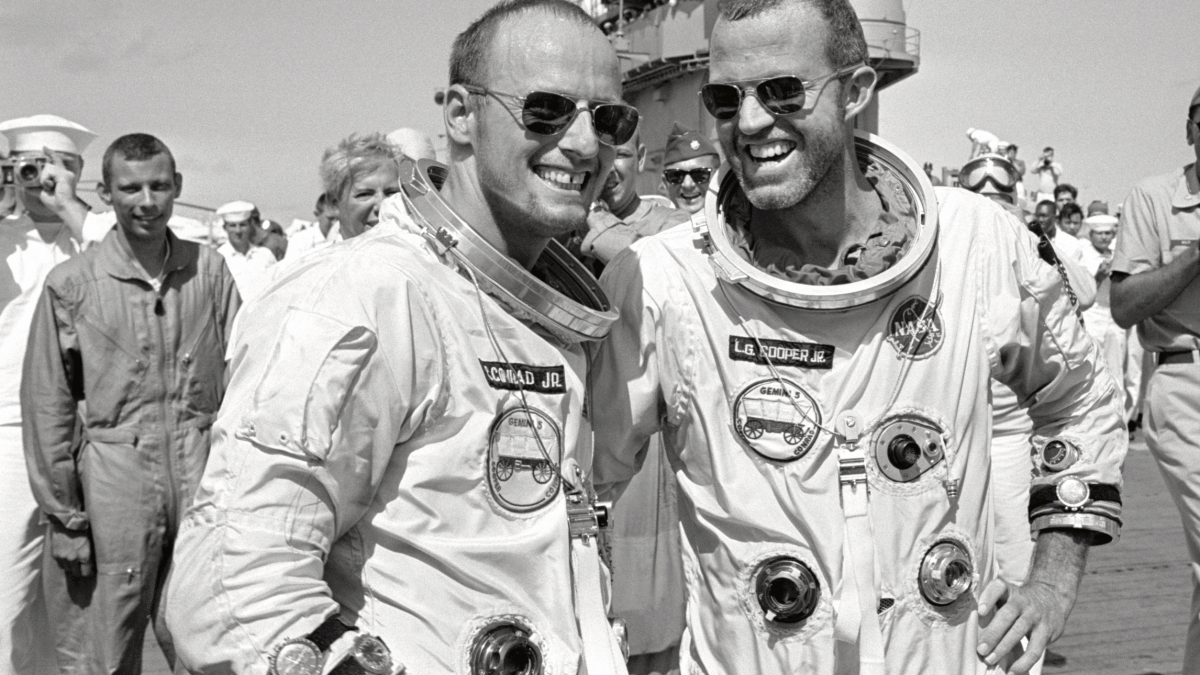
Image: © NASA
Image: © mostra-store
On the left, Pete Conrad wears a Glycine Airman alongside an Omega Speedmaster. On the right, Richard Gordon is seen wearing a Speedmaster. Conrad flew with the Airman during Gemini 11 in 1966, where the watch was exposed to the vacuum of space during a spacewalk. Designed for pilots, the Airman used a 24 hour dial and rotating bezel to track multiple time zones. While Omega was NASA-issued, astronauts often wore personal watches they trusted.
Image: © mostra-store
Check the Price
Find alternative

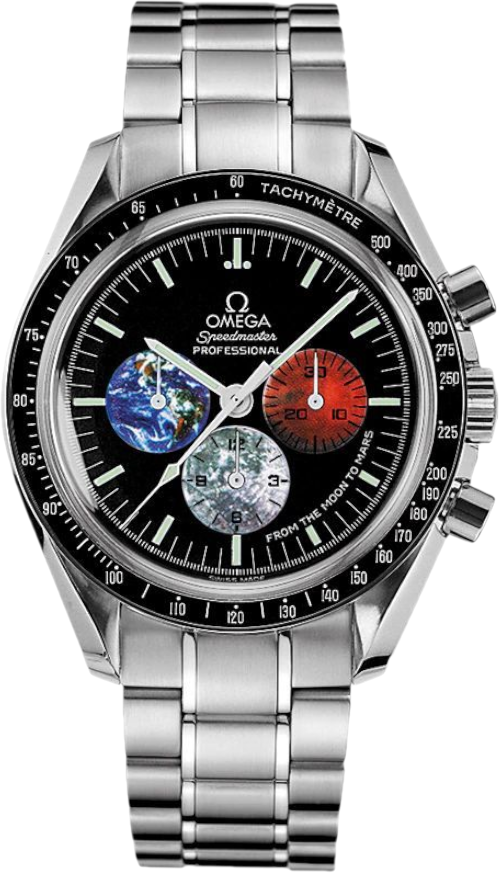
Omega Speedmaster Moon to Mars - STS-114

Soichi Noguchi using a Omega watch in space
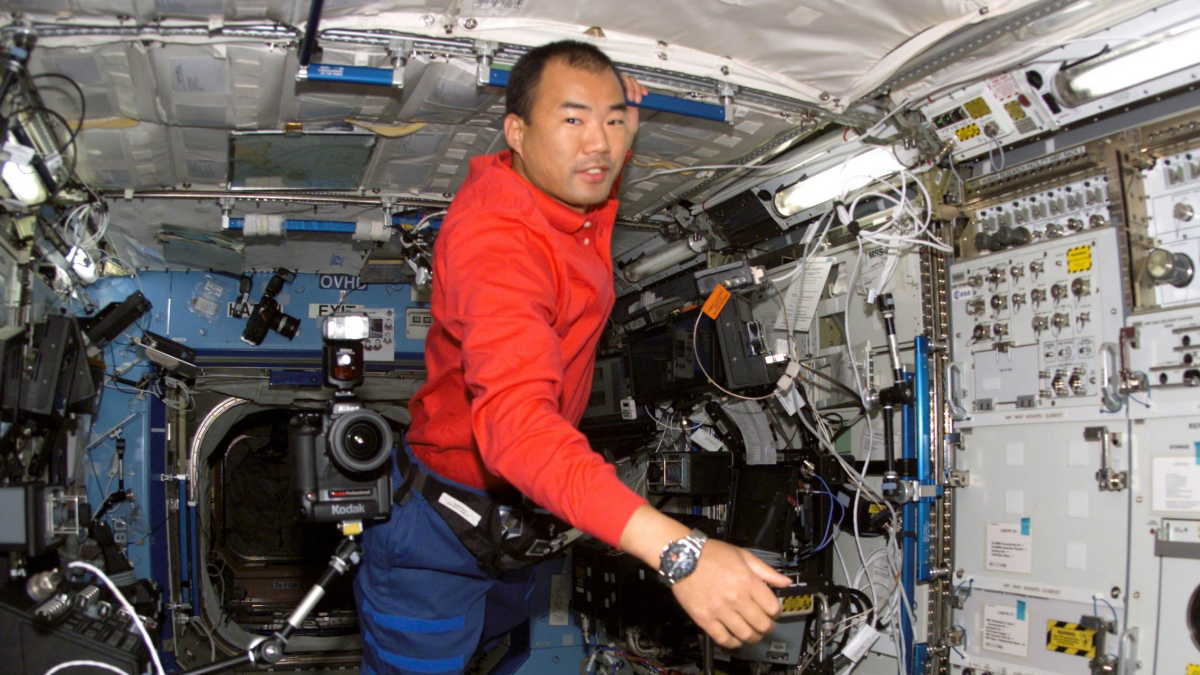
Image: © Nasa
Image: © Omega
In 2005 Japanese astronaut Soichi Noguchi flew STS-114 wearing the Omega Speedmaster “Moon to Mars,” a familiar tool watch with a bit of extra flair. During the mission, Noguchi completed three spacewalks totaling just over 20 hours outside the shuttle. Despite the special dial, this was still very much a Speedmaster doing Speedmaster things: timing EVAs, surviving vacuum, and proving once again why the model keeps getting picked for serious work in orbit.
Image: © Omega
Check the Price
Find alternative